
A shower hardware sampling plan needs a defined lot, defect classifications, a selected sampling method and a clear release rule. “Inspect a few pieces” is not a plan, and an AQL number alone does not tell an inspector how many units to select. This operational guide is for importers preparing pre-shipment inspection instructions.
1. Define the lot before counting samples
State which products belong together for the acceptance decision. Model, finish, production batch and relevant process differences can affect the grouping. Do not combine unrelated hinges, handles and clamps into one convenient carton count and assume one sample represents every product.
Start from the ordered shower hardware range, and attach the actual SKU schedule. NIST’s introduction to acceptance sampling explains the basic lot-decision concept. Sampling supports a defined decision about a lot; it does not establish that every item is defect-free.
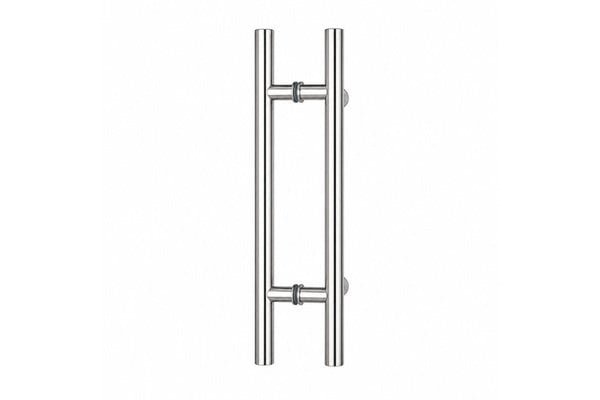
Catalogue illustration: Complete ladder-style shower door handle. Shown as a component reference, not an installation drawing or test result.
2. Write observable defect descriptions
| Inspection area | Example check | Required reference |
|---|---|---|
| Identity | Correct hinge, handle or clamp code | Purchase schedule |
| Dimensions | Specified mounting interfaces | Approved drawing |
| Appearance | Defined scratches, finish mismatch or damage | Agreed visual criteria |
| Kit completeness | Gaskets, sleeves, screws and instructions present | Bill of materials |
| Function | Specified movement or assembly check | Approved procedure |
| Packing | Correct labels and protected contact surfaces | Packing specification |
Classify defects with the buyer and responsible technical team before inspection. Safety-related nonconformities require an explicit control and escalation process; do not automatically treat them as cosmetic defects in a convenient numerical allowance.
3. Select the plan and decision rules
Record the applicable standard or agreed method, lot size, inspection level, sample size and acceptance and rejection rules. NIST’s sampling-plan overview explains that different plan structures exist. Obtain any required current standard rather than reconstructing its tables from an online summary.
For illustration, an instruction naming only a 1,000-piece lot and “AQL 1.0” is incomplete: it still needs the chosen framework and other selection inputs. This example does not prescribe an AQL, sample size or allowable number of defects for shower hardware.
4. Keep the sample selection credible
Select units according to the agreed random-selection method across the identified lot. Avoid allowing the supplier to provide only a prepared display box. Record carton locations or sample identities so the selection can be explained later.
Maintain instrument identity and the measurement method for critical dimensions. NIST’s traceability guidance addresses the measurement side. Our hardware mockup guide helps distinguish approval of a prototype or reference assembly from inspection of the shipment being released.
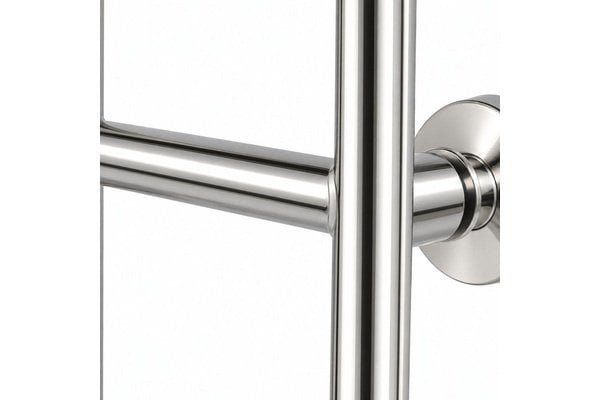
Catalogue illustration: Ladder-style shower handle cross-fixing detail. Shown as a component reference, not an installation drawing or test result.
5. Separate routine checks from performance tests
A short movement check is not a lifecycle test. Our hinge cycle-test guide explains what buyers should look for when a durability claim is part of the contract. Define whether destructive tests are required, which specimens they use and how those specimens relate to the production lot.
The CPSC glass safety alert provides context for handling and fabrication issues involving tempered glass. The CRL shower catalogue illustrates product-specific installation information. Neither is a performance certificate for the Elim components in the inspection lot.
6. Decide what happens after a failure
Write the disposition before inspection begins: hold, investigate, rework, sort or reject under the agreed process. Document any reinspection rule rather than repeatedly sampling until a favourable result appears. Keep the original failure report with subsequent corrective actions.
Our warranty evidence checklist helps organise photographs, product identity and observed conditions. NIST’s conformity-assessment overview distinguishes inspection from certification; a passed pre-shipment check should not be described as independent product certification unless that is genuinely what occurred.
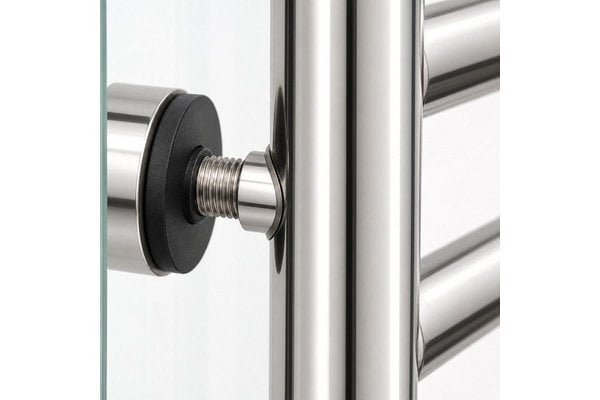
Catalogue illustration: Shower handle glass-contact fixing detail. Shown as a component reference, not an installation drawing or test result.
7. Close the record and protect the shipment
Record the lot, sample selection, results, nonconformities, disposition and release authority. The GS1 traceability framework is useful background for preserving product and shipment relationships. ISTA test procedures support the separate discussion of transport-package evaluation.
For customised inspection and packing requirements, use OEM development and review the relevant manufacturing scope. Include the agreed plan in the commercial order so inspection deliverables have a defined owner and timing.
Does passing sampling guarantee zero defects? No. Sampling has defined decision risks. The selected plan and other process controls must match the contract and product risks.
To request an inspection-ready quotation, send the SKU schedule, lot-grouping rules, drawings, defect criteria, sampling framework and required report format. This turns “quality checked” into a documented purchasing deliverable.