The fastest useful claim is a traceable claim. Give the supplier a clear product identity, installation context, description of the symptom and preserved evidence. Separate the observed problem from your proposed cause. A photograph of a damaged hinge can start a review, but it rarely explains the entire assembly or establishes warranty responsibility.
This service-desk guide is for distributors handling shower hardware. It organizes a claim for technical review without inventing warranty terms or promising that every complaint qualifies for replacement.
Intake: capture the facts once
Create a claim number and record the order, invoice, model, batch if available, installation date and date the issue was first observed. Describe the symptom in plain language: “door no longer aligns at the lower edge” is more useful than “bad quality.”
Identify whether the report concerns a shower hinge, a seal strip or another component. Include the rest of the assembly in the record, because an apparent component problem can involve compatibility, installation or surrounding conditions.
If glass is damaged or the door appears unstable, ask the site’s responsible professional to arrange appropriate access control and assessment. Do not encourage a customer to reproduce a hazardous movement for a video. The CPSC tempered-glass alert is relevant safety background, not a remote diagnosis.

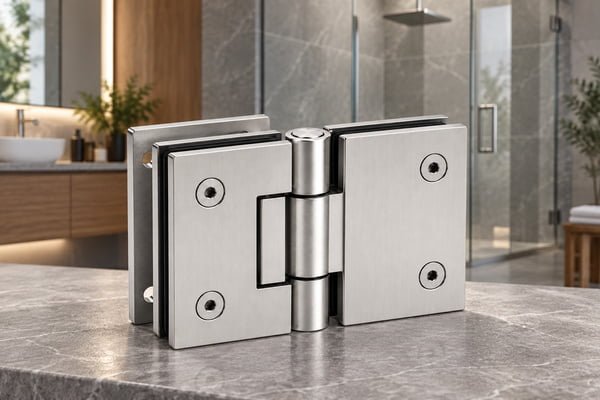
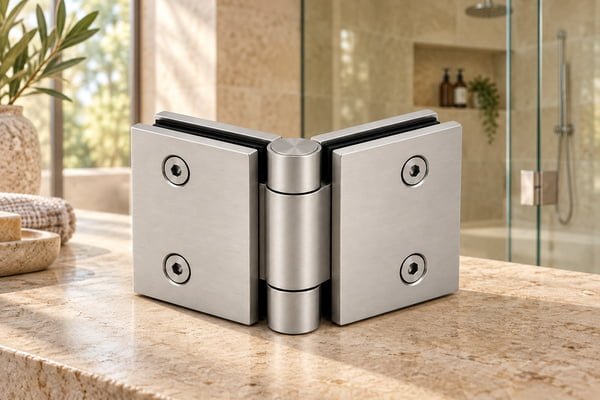
Product reference: 135 Degree Glass-to-Glass Shower Door Hinge. Illustrative hardware reference; match the ordered configuration to its approved drawing.
Evidence: request a small, useful photo set
| View | Purpose |
|---|---|
| Whole enclosure | Establishes the arrangement and surrounding clearances |
| Component in place | Shows orientation and relationship to adjacent parts |
| Close-up of symptom | Records the observed surface or mechanical issue |
| Label or marking | Links the item to the supplied product |
| Measurement with datum | Shows where and how a reported dimension was taken |
Avoid collecting identifiable guests or unrelated private room details. Keep originals with dates and make annotated copies for discussion. A scale should be placed only where it is safe to do so; do not ask someone to dismantle the door merely to improve the photograph.
Use the shower kit compatibility guide to identify the companion parts. Model-specific literature, such as CRL’s shower resources, illustrates why hinge and glass arrangements need to be reviewed together rather than judged from a close-up alone.
Measurements: record what is known and what is estimated
Ask for the approved drawing, door dimensions, glass specification, component positions and any available installation record. Report units and the measurement method. “Gap measured at the top” and “gap estimated from a photograph” are different evidence categories.
Do not invent an acceptance tolerance after a complaint arrives. Compare the evidence with the original agreed specification and applicable instructions. The hinge quality-check guide helps identify the procurement records that should have been agreed before shipment.
Where a complaint involves fixings, gather the substrate and anchor references. Anchor technical guides are useful background for the relevant fixing professional; the distributor should not infer hidden substrate condition from a finished wall photograph.
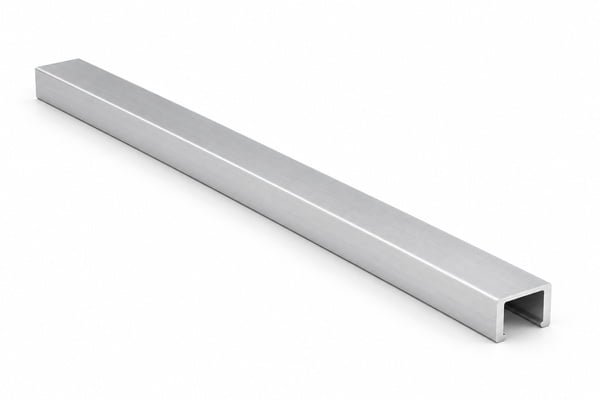
Product reference: Aluminum U-Channel for Shower Glass. Illustrative hardware reference; match the ordered configuration to its approved drawing.
Triage: keep alternative causes open
Separate appearance, fit, movement, missing parts and shipment damage into different review paths. For a surface complaint, ask about cleaning products, exposure and when the change appeared. Stainless cleaning advice and tea-staining guidance explain general considerations without deciding the cause in a particular case.
If alloy identity is disputed, discuss an appropriate method using ASSDA’s grade-confirmation guidance. A surface image cannot settle the grade. If shipping damage is suspected, retain carton photographs, protection materials and delivery notes; ISTA’s procedure overview helps frame packaging evaluation.
Ask Elim’s manufacturing team which order and inspection records can be reviewed. A supplier response should identify the evidence considered, any missing information and the next action. Do not label a proposed explanation a confirmed root cause before the review supports it.
Resolution: separate technical action from commercial decision
Record whether the agreed action is inspection, further measurement, a replacement proposal, rework or another response. Warranty eligibility, costs and timeframes should follow the actual agreed terms and applicable obligations, not assumptions in this article.
For returned parts, obtain the supplier’s return instructions and keep each item identified. Match returned quantities with the original shipment record; export-document guidance provides general documentation context. Do not clean away potentially relevant evidence or mix disputed items with saleable stock before the review plan is agreed.
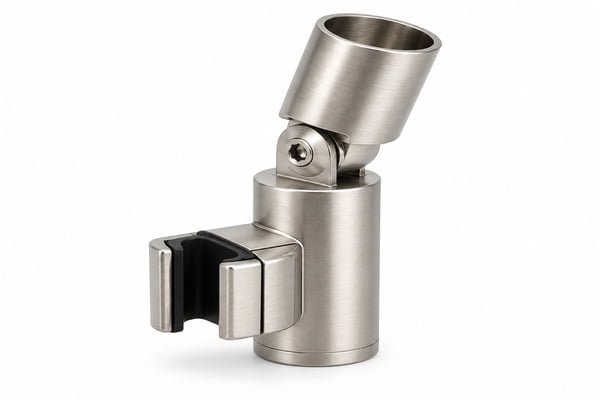
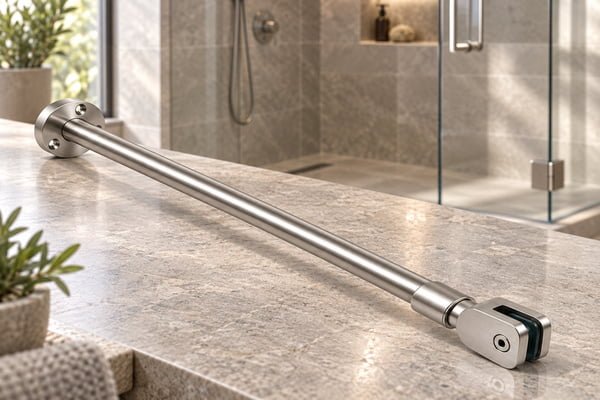
Product reference: Adjustable Shower Support Bar Bracket. Illustrative hardware reference; match the ordered configuration to its approved drawing.
Close the loop
Should every claim trigger a new specification? No. Change the specification only when the review supports a defined improvement.
Can a replacement close the record? Record whether the replacement was installed and the reported symptom resolved, while retaining the original evidence.
What should the final file contain? The issue, evidence, review findings, agreed commercial response, technical action and closure confirmation.
Send Elim a structured claim record with the order reference and safe-to-obtain evidence. A clear record helps both parties investigate the issue and prevents the same questions being asked repeatedly.