Proof load, breaking load and an allowable working limit are different concepts. A proof test applies a specified test load and checks defined acceptance conditions. A breaking test determines failure behaviour under its test method. Neither number should be relabelled as an installed working capacity without the applicable design basis.
For buyers of wire rope assemblies, the first task is to make suppliers use the same definitions. Otherwise two quotations can display similar numbers while promising different evidence.
A glossary for the quotation meeting
| Term | Purchasing meaning |
|---|---|
| Proof load | Defined load used in a specified verification test |
| Breaking load | Failure-related result or specified minimum, clearly identified |
| Working limit | Permitted use limit under an applicable design basis |
| Installed tension | State of the assembly at the measurement conditions |
The Bergen Cable reference discusses strength and application-dependent design considerations. Its examples should not become a universal safety factor for every cable use. Ask the responsible designer to establish the relevant requirements.
Read the assembly description before the number
A rope-only figure and a complete assembly result describe different things. Identify the rope, both end fittings, connection geometry and any test fixture limitations. Sava’s industrial assembly information provides manufacturing context, while its fitting design resource highlights the importance of the terminal arrangement.
Our terminal pull-test checklist helps buyers review this scope. A result for a different termination cannot simply be attached to a new product photograph as evidence.
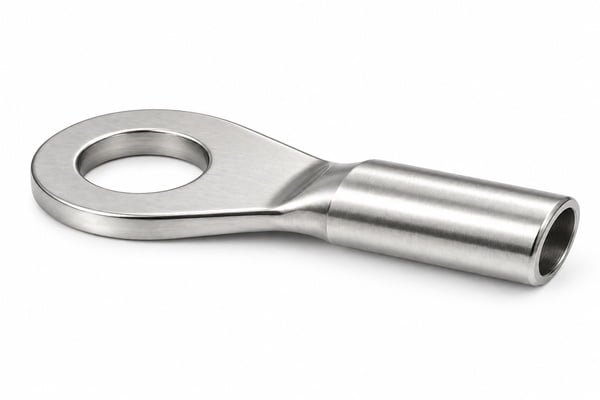
Catalogue illustration: Wire Rope Eye Terminal — WR075. Shown as a component reference, not an installation drawing or test result.
Ask what the test actually did
The report should state the method, units, load application, relevant duration, acceptance criteria and result. Identify whether the number is a required minimum, an observed value or a nominal catalogue figure. Those labels matter as much as the digits.
For illustration only, a fictional report might say that an assembly was tested to 2 kN. That statement does not tell the buyer its breaking load, working limit or even whether it passed the required criteria. The missing method and acceptance information must be supplied. The example is not a recommended test load.
NIST traceability guidance supports the measurement chain. The conformity assessment overview helps distinguish a test report from a certification or inspection statement. Neither reference constitutes an Elim test result.
Keep installed tension in a separate column
Our cable tension measurement guide addresses installed readings. A tension measurement does not establish the breaking strength of the assembly. Likewise, passing a proof test does not specify how the cable should be tensioned in a different structure.
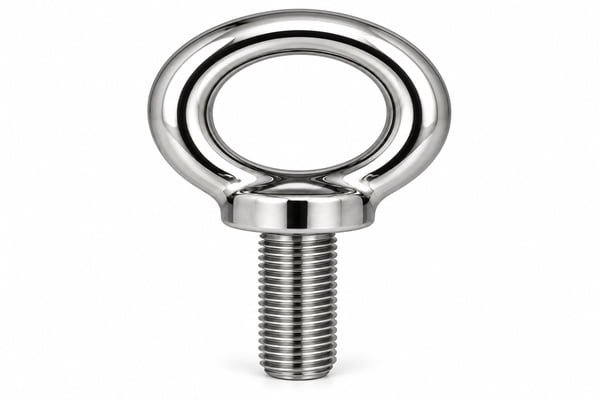
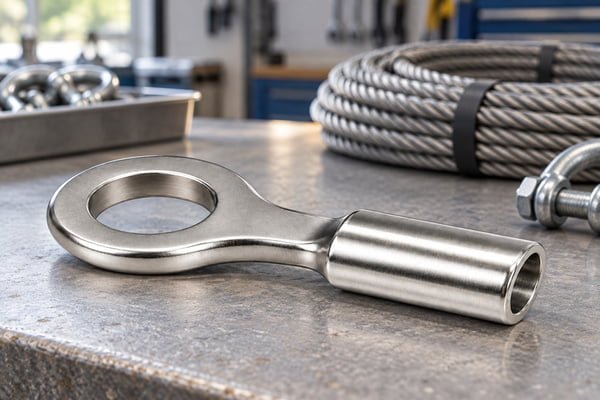
Catalogue illustration: Stainless Steel Wire Rope Eye Bolt — WR086. Shown as a component reference, not an installation drawing or test result.
This distinction is particularly useful when procurement, fabrication and site teams exchange spreadsheets. Name the quantity and its units in every column. Avoid a heading such as load with several unrelated figures beneath it.
Compare the evidence included in each offer
Ask whether testing is included, which items it covers and how the test articles relate to the delivered batch. NIST sampling information can help structure a discussion of an agreed plan; it does not prescribe the plan for every application.
The Jakob architectural cable catalogue provides external system context. Use the documentation applicable to the supplied system and intended use. Do not borrow a result from an architectural application to justify an unrelated lifting application.
Discuss custom assemblies through OEM/ODM development and review the relevant manufacturing capabilities. Identify test costs and records explicitly so a lower price does not merely omit the evidence another bidder includes.
Check the units in every quotation and report before comparing values. A force measurement, a mass description and an instrument scale reading should not appear under one undifferentiated heading. Where a conversion is needed, identify the original value and method. Retaining the original record reduces the chance of a transcription change becoming an apparently stronger performance claim.
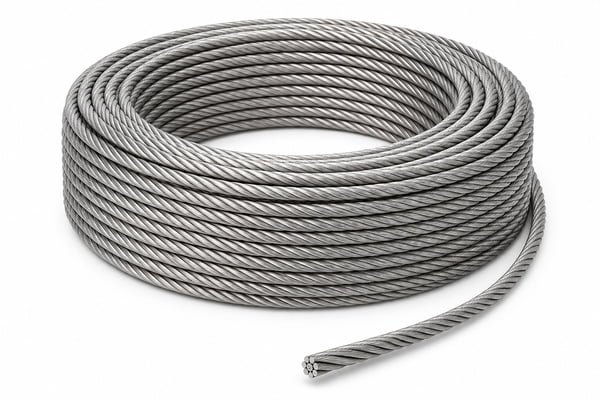
Catalogue illustration: 1×19 Stainless Steel Wire Rope — WR001. Shown as a component reference, not an installation drawing or test result.
Preserve the link to delivered goods
Use our batch traceability guide and GS1 traceability principles to connect part numbers, batches and test records. Record any changed rope or terminal revision before accepting a previous report as relevant.
Does a higher breaking figure automatically mean a better choice? No. Compatibility, application limits and the complete design remain essential.
Can proof testing replace design? No. Testing answers the defined test question within its scope.
What should an RFQ request? Assembly details, intended use, required evidence and acceptance criteria. Send those requirements so the quotation compares complete, clearly defined test and supply obligations.