Custom glass balustrade hardware is not difficult to discuss from drawings, but it is easy to quote too early. I often see buyers send a 2D or 3D file and expect an immediate price. The real solution is a controlled OEM process that turns the drawing into confirmed specifications, samples, approvals, and stable production.
Custom glass balustrade hardware can be manufactured from drawings when the supplier confirms material, finish, dimensions, tolerances, glass thickness, installation method, and application environment before quotation. The drawing is only the starting point. A reliable OEM process reduces risk by controlling sampling, approval, and mass-production consistency.
The key question is not simply, “Can you make this?” A better question is, “Can this supplier turn my design intent into repeatable production requirements?”
Why Are Drawings Not Enough for Custom Glass Balustrade Hardware?
A drawing looks complete, but buyers and factories may read it differently. That difference can lead to wrong pricing, wrong samples, or unstable bulk quality.
A supplier usually needs more than the drawing before giving an accurate quotation. Buyers should confirm material grade, surface finish, tolerances, key dimensions, glass thickness, hole positions, installation method, and use environment.
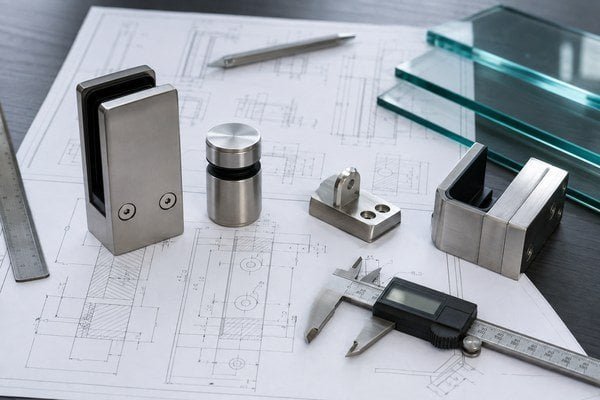
In real OEM communication, I usually see missing details in these areas:
| Confirmation Point | Why It Matters |
|---|---|
| Material grade | Affects cost, corrosion resistance, and machining |
| Surface finish | Brushed, polished, matte, or plated finishes need different control |
| Tolerances | Small gaps can affect assembly and appearance |
| Glass thickness | Hardware must match actual installation conditions |
| Hole position | Wrong hole spacing can make parts unusable |
| Application environment | Indoor, outdoor, coastal, or humid use may change material choice |
Buyers should also verify local safety rules with qualified professionals. A factory can manufacture hardware, but structural suitability and code compliance need proper project review.
What Should Buyers Confirm Before Quotation?
The biggest mistake is asking for a bulk price before the specifications are clear. A fast quote may look helpful, but it can hide later cost changes.
Before quotation, buyers should provide drawings plus a short technical brief. This brief should explain the product use, required finish, target quantity, packaging needs, and any inspection expectations.
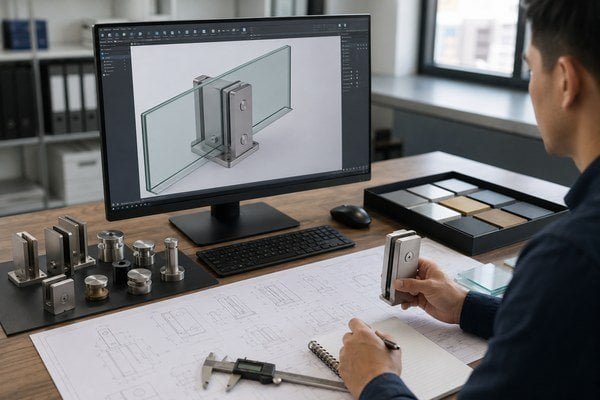
A practical pre-quotation checklist includes:
- 2D drawing and 3D file, if available
- Material requirement, such as stainless steel grade or other alloy
- Finish sample or photo reference
- Critical dimensions and tolerances
- Glass thickness and installation method
- Expected order quantity
- Packaging and labeling requirements
- Target market and compliance documents to verify
From my experience, a good supplier asks questions early. That is a positive sign, not a delay. These questions show whether the supplier is thinking about manufacturability, not just copying the drawing.
How Should Sampling Be Managed?
A sample is not proof that mass production is safe. It is only a controlled verification step.
Buyers should use sampling to check whether the supplier understands the drawing, finish, assembly needs, and inspection criteria. After sample review, all changes should be recorded before bulk production starts.
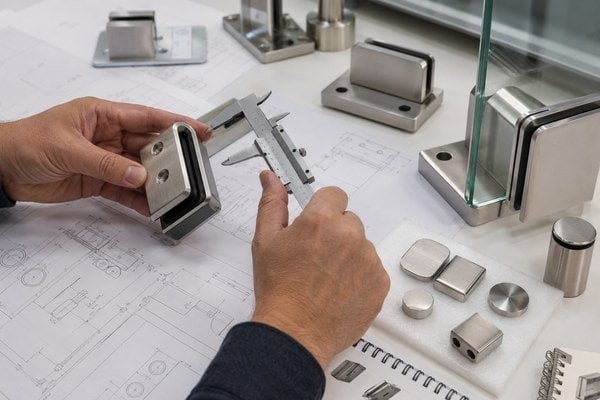
A simple sample approval process can look like this:
- Supplier reviews drawing and confirms questions
- Buyer confirms revised specifications
- Supplier produces sample
- Buyer checks dimensions, finish, fit, and packaging
- Both sides record changes
- Final approved sample becomes the production reference
The approved sample should not sit alone. It should be supported by written specifications, photos, inspection points, and acceptable tolerance ranges. This helps reduce arguments later.
How Can Buyers Reduce Mass Production Risk?
The real risk in custom glass balustrade hardware OEM is consistency. One good sample does not guarantee every batch will match it.
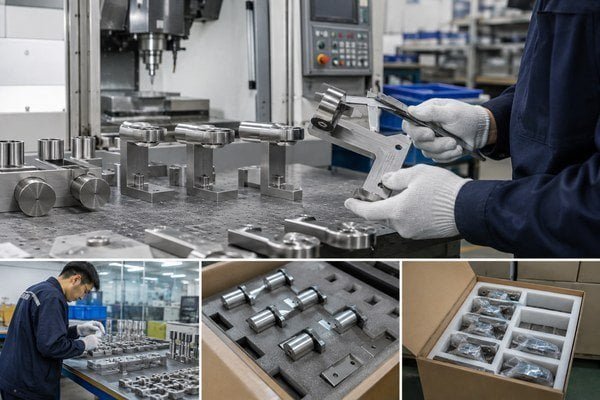
Important control points include:
- Incoming material check
- Machining dimension control
- Surface finish consistency
- Thread, hole, and edge inspection
- Assembly fit check
- Final visual inspection
- Protective packaging review
For overseas buyers, clear inspection documents are especially important. They help the buyer, supplier, and third-party inspector judge the same product in the same way.
Frequently Asked Questions
Can custom glass balustrade hardware be made from only a drawing?
Usually not safely. A drawing is useful, but buyers should also confirm material, finish, tolerances, glass thickness, installation method, and application environment before quotation or sampling.
Is one approved sample enough for bulk production?
No. One sample is only a reference. Buyers should also confirm written specifications, inspection points, packaging, and approval criteria before mass production.
Who should verify structural safety?
Qualified engineers, project consultants, or local compliance professionals should verify structural safety and code requirements. Manufacturers can support production, but buyers should not rely on factory quotation alone for safety approval.
<!-- elim-blog-links-20260925 -->
Related guides and product references
For the next stage of glass balustrade hardware selection, use these guides alongside the product catalogue. Catalogue references do not replace project-specific drawings or engineering approval.
- How to Evaluate Glass Balustrade Hardware Quality Before Placing a Bulk Order
- 304 vs 316 Stainless Steel Glass Balustrade Hardware: What B2B Buyers Should Know
- How to Choose a Glass Balustrade Hardware Supplier for Wholesale Projects
- Glass Balustrade Hardware Buying Guide for Distributors and Importers
- The Complete Guide to Glass Balustrade Hardware for B2B Buyers
- Glass balustrade hardware product range
- Flanged D-shaped Glass Clamp — catalogue reference
<!-- /elim-blog-links-20260925 -->
Conclusion
Custom glass balustrade hardware OEM is really about control. Drawings start the conversation, but clear specifications, smart questions, sample approval, and production inspection protect the buyer from costly mistakes. If you are sourcing custom hardware from China, prepare your drawings, confirm the key details, and work with a supplier who treats OEM manufacturing as a controlled process, not just a quick quote.