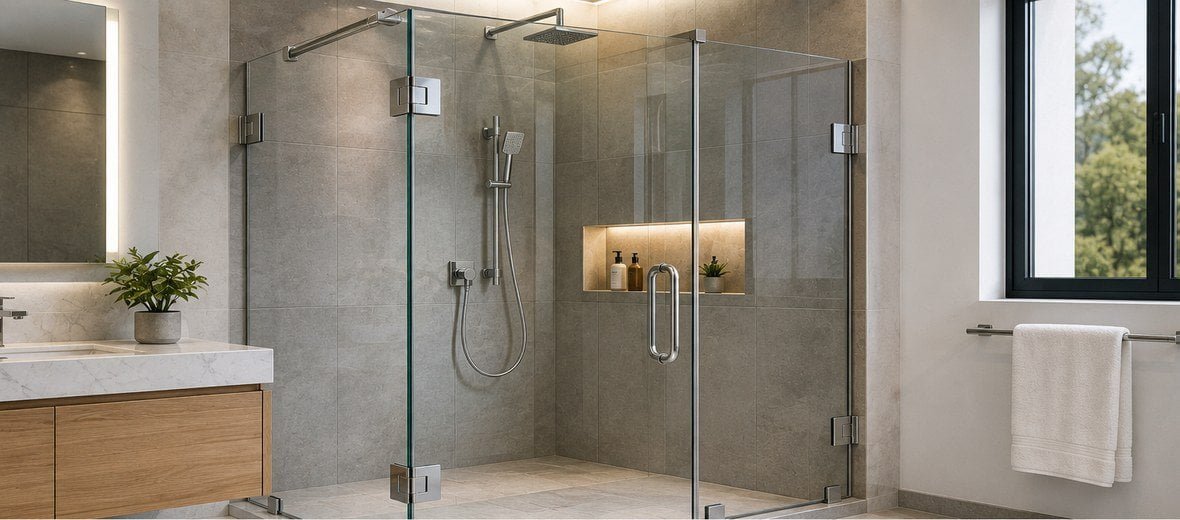
Frameless glass shower hardware can look simple in photos, but wrong choices can create glass mismatch, finish complaints, missing accessories, and resale problems. I see this often in quotation discussions. The better solution is to confirm specifications, usage conditions, and B2B supply details before comparing prices.
Frameless glass shower hardware should be selected by glass thickness, door size, door weight, door type, installation connection, material, finish, accessory completeness, and packaging needs. Buyers should not choose hinges, clamps, handles, or support bars by appearance alone because similar-looking parts may not fit the same shower structure.

Many importers first ask, “What is your best price?” I understand that. But in my experience, the safer first question is, “What exact shower system are we supplying?” Once that is clear, price comparison becomes much more meaningful.
How Should Buyers Choose Frameless Glass Shower Hardware?
Choosing frameless glass shower hardware by the cheapest hinge or clamp can cause trouble later. The part may look right, but the glass thickness, door weight, or installation position may not match. That can lead to returns, complaints, or delayed projects.
Buyers should choose frameless glass shower hardware by confirming the full application first: glass thickness, glass size, door weight, door opening style, wall-to-glass or glass-to-glass connection, fixed panel layout, finish color, and required accessories. Qualified local professionals should confirm installation safety and local code needs.
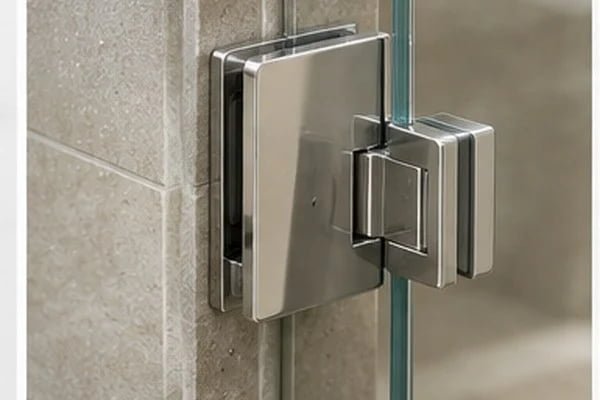
In quotation work, I usually confirm these points before recommending a product:
- Glass thickness: commonly 6 mm, 8 mm, 10 mm, or 12 mm
- Door type: swing door, sliding door, fixed panel, or custom enclosure
- Connection type: wall-to-glass, glass-to-glass, floor-to-glass, or ceiling support
- Door size and weight: important for hinge and support selection
- Finish: chrome, brushed nickel, matte black, gold, or custom color
- Packing method: bulk pack, color box, private-label box, or project set
- Accessory list: screws, gaskets, seals, Allen keys, instruction sheets
A small mistake can create a big issue. For example, a hinge for 8 mm glass may not be suitable for 10 mm glass. A wall-mounted hinge may not replace a glass-to-glass hinge. A handle with the wrong hole spacing may not fit pre-drilled glass.
For B2B buyers, I suggest making a specification sheet before placing an order. This sheet does not need to be complicated. It should list the glass thickness, hardware finish, product drawings, packing requirements, and approved sample reference.
| Buying Point | Why It Matters |
|---|---|
| Glass thickness | Prevents wrong gasket or hinge fit |
| Door weight | Helps reduce load mismatch risk |
| Door type | Determines hinge, roller, clamp, or bar style |
| Finish color | Supports project and retail consistency |
| Packaging | Affects resale, branding, and damage risk |
Why Is Frameless Glass Shower Hardware Compatibility So Important?
Compatibility matters because similar-looking shower hinges, clamps, knobs, support bars, and handles are not always interchangeable. If the connection method or load requirement is different, the part may not work for that shower enclosure.
Frameless glass shower hardware compatibility depends on the full structure, not just the product name. Buyers should check whether the hardware is designed for wall-to-glass, glass-to-glass, fixed panel, sliding door, or support applications before approving samples or bulk orders.
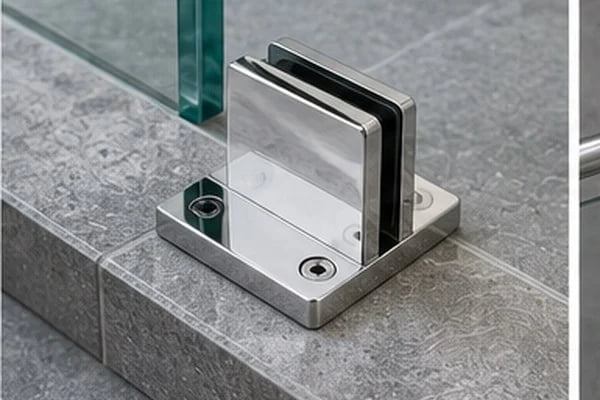
I have seen buyers send one product photo and ask for “same item.” That is a normal starting point, but it is not enough for accurate supply. A hinge photo may not show the glass cut-out, gasket thickness, screw type, opening angle, or load rating. A clamp photo may not show whether it is for a wall, floor, ceiling, or glass connection.
For importers and distributors, compatibility affects more than installation. It also affects after-sales risk. If customers receive parts that do not match their glass panels, the seller may face refund requests even if the product quality itself is acceptable.
A practical buying process looks like this:
- Confirm the shower structure.
- Match each hardware item to the structure.
- Review drawings or technical photos.
- Order samples before bulk production.
- Test packing, finish, and accessory completeness.
- Keep one approved sample as the batch reference.
I do not treat shower hardware as “one part, one price.” I treat it as a system that needs matching.
This mindset helps buyers avoid common problems such as wrong seals, short screws, mismatched finishes, or missing installation instructions. Still, final installation safety, load calculations, and local code compliance should be checked by qualified local professionals.
What Materials And Finishes Matter For Frameless Glass Shower Hardware?
Material and finish should be evaluated as long-term performance factors, not just labels. Stainless steel, brass, zinc alloy, or aluminum can perform differently depending on surface treatment, wet conditions, cleaning chemicals, and frequency of use.
For frameless glass shower hardware, buyers should review both base material and finish quality. The best choice depends on bathroom moisture, cleaning habits, market expectations, finish color, maintenance needs, and customer price position. No material should be treated as “fits all conditions.”
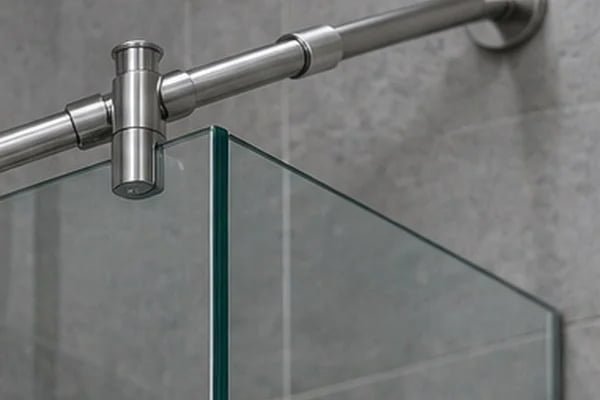
Many buyers ask for “stainless steel” or “brass” as if the name alone solves everything. I prefer to ask follow-up questions. Will the product be sold for residential use, hotel projects, apartments, or retail replacement? Will the finish be chrome, matte black, brushed nickel, or gold? Will customers use strong bathroom cleaners?
Finish consistency is also important for B2B orders. A distributor may reorder the same black hinge after three months. If the color tone changes too much, the customer may complain. So sample approval and batch control matter.
Key points to check include:
- Surface smoothness
- Color consistency
- Coating adhesion expectations
- Corrosion resistance requirements
- Cleaning and maintenance instructions
- Salt spray or other test reports, if required by the buyer
Buyers should verify any certificate or test report instead of accepting claims blindly. For private-label projects, I also suggest adding simple care instructions to the package. This helps end users avoid harsh cleaners that may damage finishes over time.
What Should B2B Buyers Confirm Before Bulk Orders?
Bulk buying is not only about the product. It is also about stable supply, packaging, labeling, accessory control, carton strength, sample approval, and communication. These details affect resale and repeat orders.
Before bulk orders, buyers should confirm approved samples, drawings, finish standards, accessory lists, packaging style, logo placement, carton marks, order quantity, inspection method, and delivery schedule. These steps reduce mismatch and help keep private-label shower hardware supply more consistent.
In my own supplier-side work, a good inquiry usually includes product photos, drawings, quantity, finish, target market, packing needs, and logo requirements. When this information is clear, quotation is faster and more accurate.
For private-label buyers, I suggest confirming:
- Logo on product or packaging
- Color box design
- Instruction sheet language
- Barcode and SKU labels
- Accessory bags
- Spare parts policy
- Master carton size and weight
A small missing screw can create a big customer complaint. So I always recommend checking the accessory list during sample review and pre-shipment inspection.
Frequently Asked Questions
Is frameless glass shower hardware universal?
No. Most hardware is not universal. Glass thickness, door type, hole position, connection method, and load requirement all matter. Buyers should confirm drawings and samples before bulk purchasing.
What finish is best for shower hardware?
There is no single best finish. Chrome, brushed nickel, matte black, and gold can all work when the base material, coating quality, cleaning environment, and customer expectations are suitable.
Should I order samples before bulk production?
Yes. Samples help buyers check fit, finish, accessories, packaging, and branding before committing to a larger order. I usually recommend keeping an approved sample as the production reference.
Can you confirm installation safety for my market?
A supplier can support product information and specifications, but local installation safety, building rules, and load calculations should be confirmed by qualified local professionals.
<!-- elim-blog-links-20260925 -->
Related guides and product references
For the next stage of shower hardware selection, use these guides alongside the product catalogue. Catalogue references do not replace project-specific drawings or engineering approval.
- Before Importing Shower Hardware, Confirm These 10 Manufacturing Details
- Why Shower Hinges Fail: Quality Checks Importers Should Make Before Shipping
- Matte Black, Brushed or PVD? Choosing Shower Hardware Finishes for Your Market
- Building a Complete Frameless Shower Hardware Range for Your Wholesale Business
- What Glass Distributors Look for in a Reliable Frameless Shower Hardware Supplier
- Shower hardware product range
- 135 Degree Glass-to-Glass Shower Door Hinge — catalogue reference
<!-- /elim-blog-links-20260925 -->
Conclusion
Frameless glass shower hardware should be purchased as a matched system, not as random parts chosen by price or appearance. Buyers should confirm glass thickness, door type, connection method, material, finish, packaging, and accessory details before bulk orders. If you need sourcing, sample development, private-label packaging, or quotation support, contact us with your product photos, specifications, quantity, and target market.