
Shower hardware finishes can look perfect in a sample photo, but the wrong choice can create slow-moving stock, cleaning complaints, or price-positioning problems. Buyers often ask me, “Which finish is popular?” I usually suggest a better question: “Which finish fits my market, channel, price band, and end user?”
Matte black, brushed, and PVD should not be compared as the same type of finish. Matte black and brushed describe visual effects, while PVD is a coating process. The best choice depends on your target country, sales channel, product price level, maintenance habits, and whether you sell single items or full shower series.

A finish is not only a design decision. It is also a commercial risk decision. In quotation or sampling discussions, I usually first confirm the buyer’s market position before recommending a finish direction.
What Are Shower Hardware Finishes Really Comparing?
Many buyers compare matte black, brushed, and PVD as if they are equal categories. This creates confusion. If the basic terms are wrong, the sourcing decision can go wrong too.
Matte black is a color and surface effect. Brushed is a texture effect. PVD is a coating method that can create different colors and appearances. So the correct comparison is not “matte black vs brushed vs PVD,” but appearance, process, cost, and usage risk.

Simple Breakdown
| Term | What It Means | Buyer Should Check |
|---|---|---|
| Matte black | Dark, non-gloss appearance | Scratch visibility, cleaning marks, color consistency |
| Brushed | Fine linear surface texture | Fingerprints, water spots, matching with other items |
| PVD | Physical vapor deposition coating process | Supplier reports, adhesion, color stability, test standards |
In real export discussions, I have seen buyers choose matte black because it looked “modern” in photos. Later, they worried about scratches during installation or visible soap marks after use. I have also seen buyers choose brushed finishes because they looked safer for retail shelves, but then they needed all accessories to match the same brushing direction and tone.
PVD can be a strong option for certain product lines, but buyers should not accept “PVD” as a magic word. I always suggest checking:
- Sample performance after real handling
- Supplier test reports
- Agreed inspection standards
- Color matching across batches
- Packaging protection during shipment
Which Shower Hardware Finishes Fit Different Markets?
A trendy finish in one country may be slow in another. A finish that works for online sales may not work for a hotel project, retail chain, or budget wholesale channel.
The best shower hardware finishes match the buyer’s target country, sales channel, and price band. Matte black often fits modern design-led ranges. Brushed finishes can suit broad retail demand. PVD options may support higher-positioned series when the buyer can verify quality and explain value.
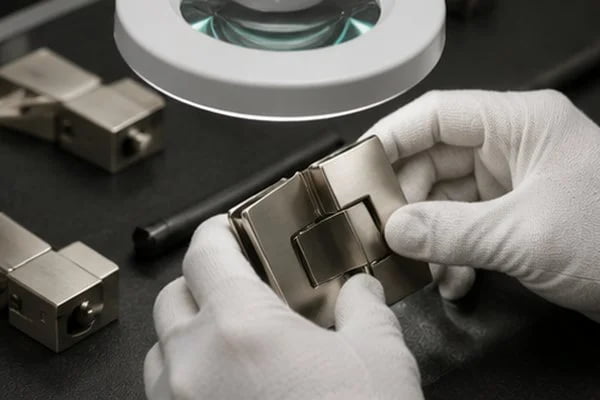
Questions I Ask Before Quoting
In sampling or quotation talks, I usually ask four things:
- Which country or region are you selling to?
- Is the channel retail, e-commerce, project, or wholesale?
- Is the product a single item or a complete bathroom series?
- What cleaning habits and water conditions should we consider?
These questions matter because end users judge finishes through daily use, not catalog photos.
For example, matte black can look premium online, but some end users may complain if water spots or fingerprints are obvious. Brushed nickel or brushed stainless-style finishes may feel more familiar in mainstream channels. Gold, gunmetal, or other PVD colors may work well for design-focused collections, but they need careful positioning and better quality control.
My rule is simple: do not choose the finish first. Choose the market story first.
How Do Shower Hardware Finishes Affect After-Sales Risk?
A finish problem can become expensive after the goods arrive. The issue may not be product function. It may be cleaning marks, mismatch, scratches, or customer expectations.
Shower hardware finishes affect after-sales risk because they change how users see wear, water spots, fingerprints, and color matching. Buyers should approve real samples, define inspection points, and confirm maintenance instructions before mass production.

What Buyers Should Verify
Before confirming a finish, I suggest checking these points:
- Color consistency: Does the mixer, shower head, hose, bracket, and accessory match?
- Surface protection: Is the finish protected during assembly and packing?
- Cleaning guidance: Can users clean it with common mild cleaners?
- Scratch sensitivity: Does normal handling leave visible marks?
- Test basis: Are corrosion, adhesion, or salt spray claims supported by reports?
I do not recommend relying only on supplier descriptions such as “high quality,” “anti-rust,” or “premium coating.” Those words need documents, samples, and agreed standards behind them.
For full shower systems, matching is even more important. A matte black faucet, shower rail, hand shower, and drain cover may come from different production lines. If the tone is slightly different, the end user may notice it after installation. For private-label buyers, this can lead to reviews, returns, or replacement requests.
Frequently Asked Questions
Is matte black shower hardware still popular?
Yes, matte black is still popular in many modern bathroom ranges. However, it is not suitable for every channel. Buyers should test scratch visibility, water marks, and cleaning expectations before choosing it for high-volume programs.
Is PVD always better than other finishes?
No. PVD is a process, not a guarantee. It can support attractive and durable finishes, but buyers should verify supplier reports, sample quality, adhesion, and agreed testing standards before making claims.
Which finish is safest for mass retail?
Brushed finishes are often easier for broad retail positioning because they feel familiar and practical. Still, buyers should check local preferences, price level, product design, and color matching across the full series.
Should I choose one finish or offer several?
It depends on your channel. E-commerce brands may test several finishes. Retail chains may prefer fewer SKUs. Project buyers usually need consistency, replacement availability, and stable batch color.
<!-- elim-blog-links-20260925 -->
Related guides and product references
For the next stage of shower hardware selection, use these guides alongside the product catalogue. Catalogue references do not replace project-specific drawings or engineering approval.
- Before Importing Shower Hardware, Confirm These 10 Manufacturing Details
- Why Shower Hinges Fail: Quality Checks Importers Should Make Before Shipping
- Building a Complete Frameless Shower Hardware Range for Your Wholesale Business
- What Glass Distributors Look for in a Reliable Frameless Shower Hardware Supplier
- Frameless Glass Shower Hardware: The Complete Buyer's Guide
- Shower hardware product range
- 135 Degree Glass-to-Glass Shower Door Hinge — catalogue reference
<!-- /elim-blog-links-20260925 -->
Conclusion
Choosing shower hardware finishes is not just about color. Matte black, brushed, and PVD involve different appearance effects, process questions, price positions, and after-sales risks. I always recommend starting with your target market, channel, price band, and real use environment. If you are preparing a new bathroom hardware range, share your market details with your supplier first, then approve samples and standards before mass production.