Select wire rope clips as an identified termination system, not as generic clamps. Compatibility depends on the rope and the exact clip instructions. Clip count, arrangement, tightening and inspection requirements must come from the applicable manufacturer documentation and approved application, not a rule copied from a different product.
For distributors comparing wire rope components, the purchasing challenge is distinguishing items that look similar but are not equivalent. This article is a quotation checklist, not a step-by-step termination procedure.
Begin with the application boundary
State what the cable assembly does and whether the proposed termination is permitted for that use. An architectural component quotation does not establish suitability for lifting or another load-critical application. Ask for the documented scope before discussing price or finish.
The Crosby termination manual gives product-specific instructions and limitations. Its Fist Grip clip information illustrates another identified clip design. These are external manufacturer references, not evidence that an unbranded or Elim component has the same performance.
Specify the rope as carefully as the clip
Include rope diameter, construction, material and coating where present. The Bergen Cable reference explains basic cable terminology. For the inspection method, Bekaert’s rope diameter guidance provides useful context. A nominal size should not be the only item on the receiving inspection sheet.
| Purchasing field | Evidence to request |
|---|---|
| Clip identity | Manufacturer, series and size marking |
| Rope compatibility | Applicable instructions for the supplied construction |
| Eye components | Matching thimble and connecting hardware |
| Installation requirements | Controlled document and revision |
| Traceability | Batch identification and supplied records |
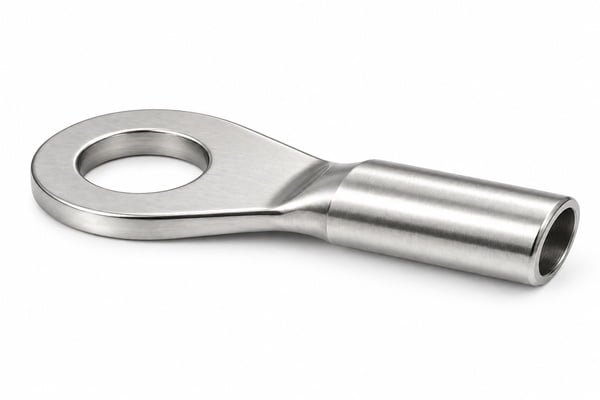
Catalogue illustration: Wire Rope Eye Terminal — WR075. Shown as a component reference, not an installation drawing or test result.
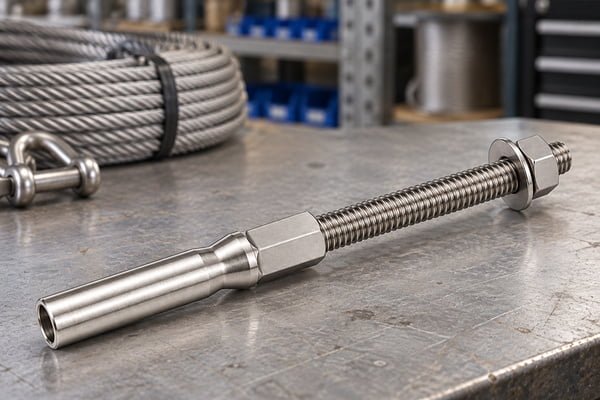
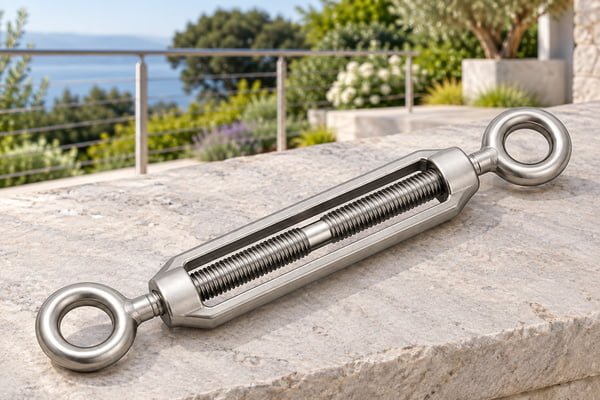
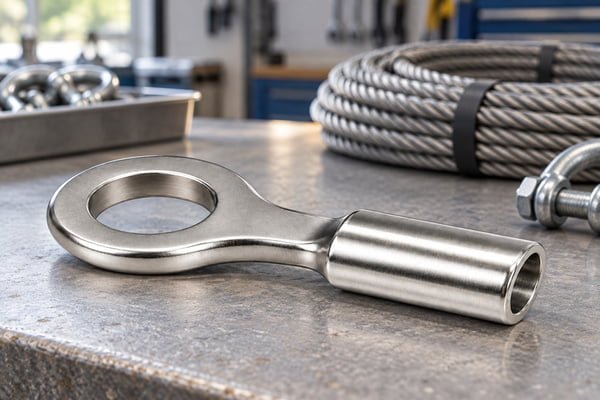
The photographs here show related cable assembly components; they do not depict an approved clip termination. Use the selected clip manufacturer’s drawing when preparing the actual assembly detail.
Compare complete terminations
The eye, thimble and connecting fitting must work together. Our wire rope thimble guide covers those interfaces, and the Crosby product catalogue provides a manufacturer reference for identified components. Do not select a thimble solely because a rope can be pushed into its groove.
Compare clips with other termination routes only after fixing the application requirements. The swaged versus swageless guide can structure that discussion. A lower component price may be offset by assembly labour, documentation, inspection or a different replacement policy.
Keep installation instructions inside the supply scope
Ask which document governs the supplied product and how the installer will receive it. Avoid a quote that lists only “stainless clips” without a model or instructions. If the seller proposes a substitute, require a new compatibility review before accepting the change.
For exposed environments, IMOA coastal stainless guidance helps frame material selection. Appearance alone does not establish grade or corrosion suitability. Write the agreed grade and finish on the purchase order and retain the evidence supplied for that batch.
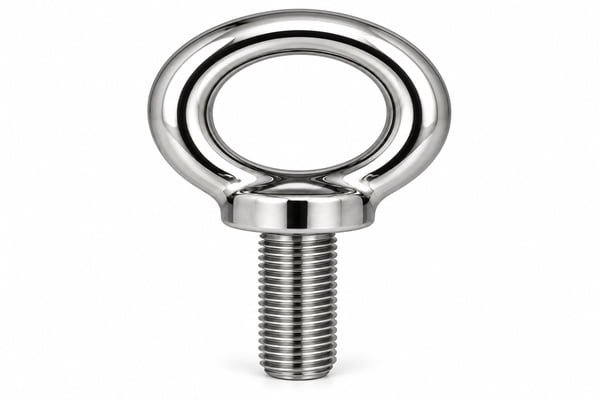
Catalogue illustration: Stainless Steel Wire Rope Eye Bolt — WR086. Shown as a component reference, not an installation drawing or test result.
Discuss special lengths, kit contents or packaging through OEM/ODM supply. Keep product approval separate from packaging customization: putting a part into a branded bag does not expand its permitted use.
Build an incoming inspection plan
Check markings, quantities, component identity and document revision before assembly. Review visible condition and dimensions against the agreed specification. The NIST conformity assessment resource explains the distinction between inspection and other forms of evidence; a receiving check should not be described as a load certification.
Use the wire rope batch traceability guide and GS1 traceability principles to connect the delivered kit to its records. Verify the relevant manufacturing capabilities, particularly when a quote includes non-standard parts or additional testing.
A useful bid comparison separates loose clips from complete assembly kits. Identify whether thimbles, connecting fittings, instructions and inspection records are included. Ask how substitutions will be communicated and who authorizes them. These details prevent an apparently cheaper offer from transferring unpriced assembly work and compatibility decisions to the installer.
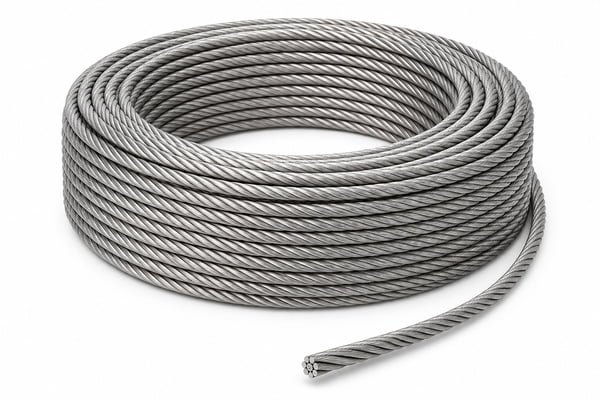
Catalogue illustration: 1×19 Stainless Steel Wire Rope — WR001. Shown as a component reference, not an installation drawing or test result.
Questions buyers should resolve
Can clips from different manufacturers be mixed? Do not assume compatibility. The complete termination must follow the applicable documented arrangement.
Can one tightening value cover every size? No. Use the instructions for the exact product and application.
Does stainless steel mean maintenance-free? No. Exposure, installation and inspection remain relevant.
For a comparable quotation, send the rope specification and termination drawing, intended use, quantities and required records. Ask each supplier to identify exclusions explicitly. A complete offer makes the limits visible before installation, when alternatives are still easier to evaluate.