If a stainless thread begins to bind, stop and investigate: Increasing force can turn an assembly problem into damaged fittings and an uncertain connection. Galling is an adhesive wear mechanism associated with contacting metal surfaces; it is not simply another name for dirt, cross-threading or an incorrect thread size.
For distributors supplying wire rope fittings, the useful response is a controlled assembly specification and a clear fault-reporting process. This troubleshooting guide draws on ASSDA’s galling explanation, while leaving lubricant choice, tightening procedure and acceptance limits to the identified fitting system and its supplier.
Symptom one: the parts resist from the first turn
Check identity before discussing lubrication. Confirm thread diameter, pitch, handedness and the mating references. Inspect both threads for visible damage or contamination. A mismatched thread can begin to engage and still be wrong. Do not use a powered tool to determine whether two parts fit.
A cable tensioner and an eye bolt are not interchangeable merely because their catalogue dimensions appear similar. The thread-handedness stocking guide helps separate left-hand and right-hand components before they reach the assembly bench.
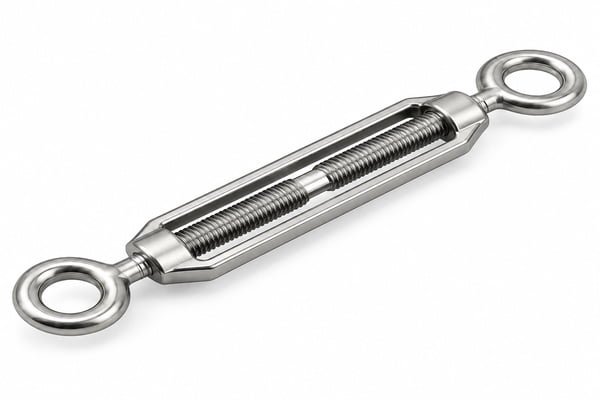
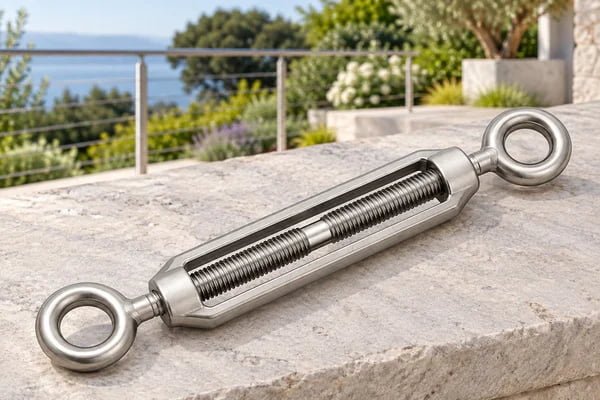
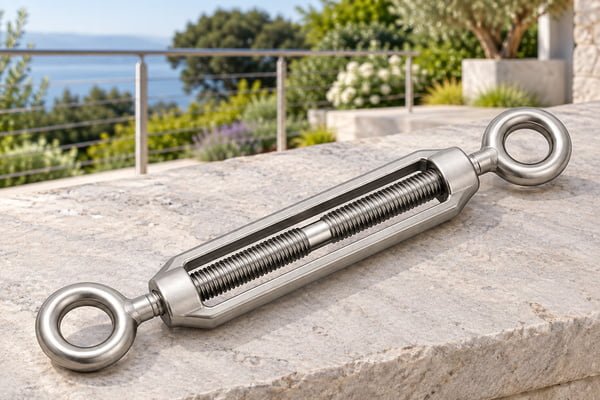
Product reference: Eye To Eye Turnbuckle — WR032. Match the supplied configuration to the approved drawing.
Symptom two: resistance rises during assembly
Record the operation at the point resistance changed. Was the part being assembled dry? Was a power tool used? Were threads previously damaged? Was the assembly loaded or misaligned? These questions help distinguish possible causes, but a remote description cannot reliably diagnose every seized fitting.
| Observation | First check | Purchasing response |
|---|---|---|
| Immediate resistance | Thread identity and alignment | Quarantine unmatched combinations |
| Resistance after several turns | Damage, contamination and procedure | Preserve parts and assembly record |
| Repeated failures in one batch | Common parts and handling history | Trace the affected batch |
| Mixed results between crews | Tools and work instructions | Review the approved method |
Avoid describing a lubricant as a universal cure. Lubrication can alter the relationship between tightening torque and preload. A procedure written for one condition should not be applied unchanged to another. Ask the designer or supplier for the complete approved assembly method.
Symptom three: the replacement also seizes
Do not replace one visibly damaged part and automatically reuse its mating component. Inspect the complete pair and follow the supplier’s replacement criteria. Keep suspect parts out of general stock until the decision is documented.
Changing stainless grades without design review is also an unreliable shortcut. Grade-confirmation guidance addresses identity, while the 304 and 316 comparison explains broader material differences. Neither establishes that a particular pair is immune to galling. The geometry, surface condition and assembly process remain relevant.
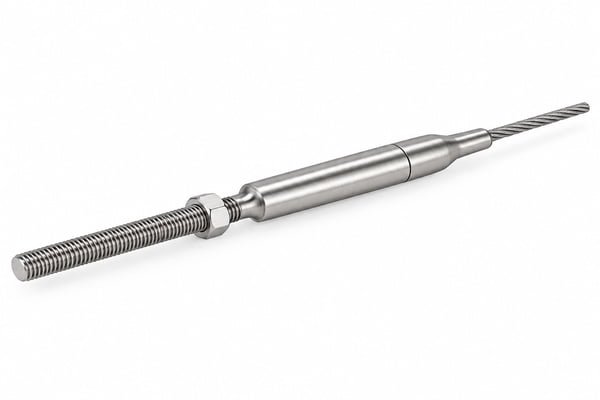
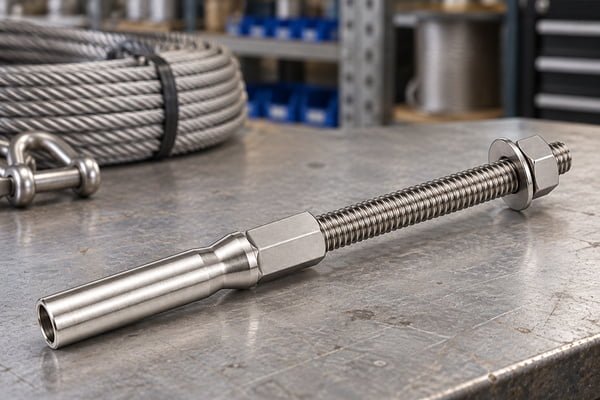
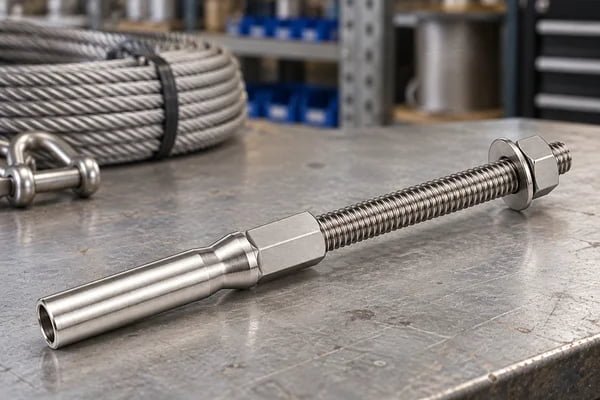
Product reference: Closed Body Cable Tensioner — WR011. Match the supplied configuration to the approved drawing.
Turn the lesson into a warehouse control
Store identified mating components together or in clearly separated bins. Protect threads from impact and contamination. Label returns so that damaged parts cannot silently re-enter new stock. Use GS1 traceability principles to connect the complaint with the shipment and relevant component batches.
An illustrative service log might classify 20 returned assemblies as eight incorrect-thread combinations, five damaged-on-arrival cases, four suspected galling cases and three unresolved cases. The categories determine different actions. Do not report all 20 as a material defect without examination; these example counts are not Elim field data.
Use the swaged-versus-swageless comparison to distinguish terminal installation from tensioner assembly. They involve different interfaces and instructions. Consult system-specific technical documentation and installation resources when proprietary components are involved.
Give installers a short, usable instruction
State the exact component references, preparation, approved lubricant if any, tools, assembly sequence and acceptance checks. Include a clear stop condition for abnormal resistance. Avoid adding an invented torque value because an instruction sheet looks incomplete without one.
Keep cleaning and exposure guidance separate from assembly lubrication. Stainless cleaning advice and tea-staining guidance address maintenance and environment; they do not authorize a thread treatment. Review compatibility with adjacent seals, coatings and materials when the assembly procedure changes.
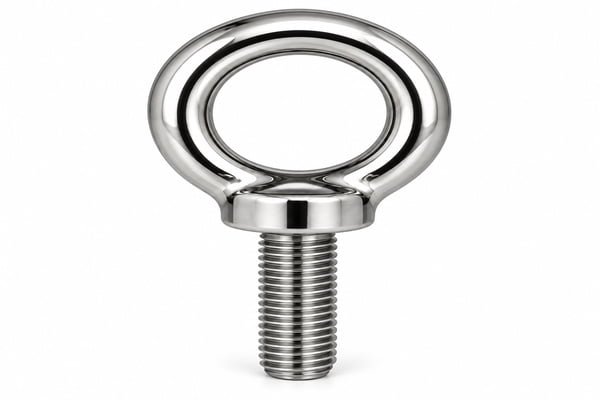
Product reference: Stainless Steel Wire Rope Eye Bolt — WR086. Match the supplied configuration to the approved drawing.
Can a seized fitting be freed and returned to service? Do not assume so. Damage assessment and the supplier’s acceptance criteria determine disposition.
Does stainless grade alone explain the failure? No. Examine the complete mating pair and the actual procedure.
Discuss manufacturing and finishing controls through Elim’s capabilities. Send a fault record with batch references, thread identification, photographs and the assembly procedure, so the investigation can address the cause rather than simply replace the symptom.