A suitable wire rope cut preserves the end geometry needed by the terminal and avoids loose wires, contamination and uncontrolled heat effects. Select the cutting process with the cable and termination supplier, then inspect the result before assembly. This shop-floor guide is for cable-kit buyers and receiving teams.
Begin at the terminal
The required end condition depends on what happens next. A cut end entering a swage terminal, a mechanical terminal or a supplied eye assembly may need different preparation. Start with the wire rope system components, identify the cable construction and terminal code, and obtain the assembly instructions before choosing a tool.
Sava’s cable-cutter range demonstrates that cutting tools have defined applications. Bergen’s cable overview provides construction context. Neither supports choosing a cutter solely because its jaws appear large enough. Confirm the tool rating for the actual cable material and diameter.
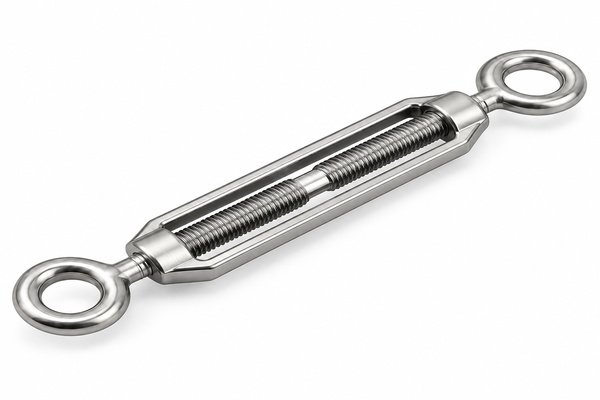
Catalogue illustration: Eye To Eye Turnbuckle — WR032. Shown as a component reference, not an installation drawing or test result.
Compare processes without a universal winner
| Approach | Purchasing question | Inspection focus |
|---|---|---|
| Rated mechanical cutter | Is it suitable for this cable construction? | Flattening, loose wires and end shape |
| Controlled abrasive cutting | Is the process approved for the assembly? | Heat, burrs and contamination |
| Supplier-prepared fused end | Does the terminal accept this end condition? | Fused length and insertion compatibility |
| Factory cut-and-terminated assembly | What final length and evidence are supplied? | Complete assembly identity and dimensions |
Do not introduce a fused end into a terminal designed for another preparation without approval. Likewise, do not trim individual protruding wires until a damaged end merely looks tidy. The cut must support the intended assembly process, not just pass a visual glance.
A five-step receiving check
- Match cable diameter, construction and batch to the order.
- Inspect the cut end for displaced strands and visible damage.
- Check length from the agreed reference points.
- Confirm compatibility with the identified terminal and instructions.
- Protect accepted ends during packing and internal handling.
Use the rope-diameter measurement guidance for the correct cable measurement context. Our wire rope packaging guide explains how handling can damage an otherwise acceptable assembly. Keep inspection records linked to the reel or production batch using the batch-traceability checklist.
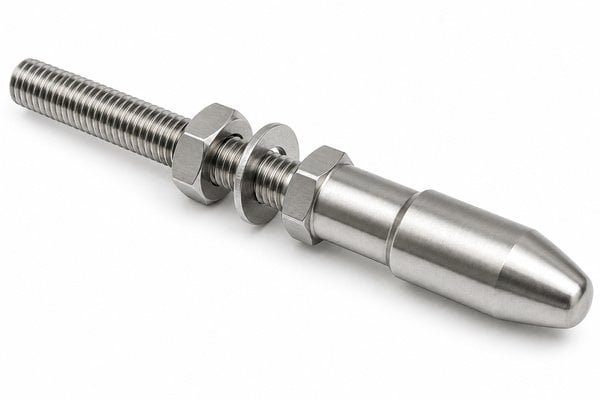
Catalogue illustration: Swage Stud Cable Terminal — WR096. Shown as a component reference, not an installation drawing or test result.
Length: cut stock is not finished assembly length
A drawing should distinguish raw cut length from the final reference-to-reference dimension. Insertion into terminals and the adjustment position of a tensioner can affect the finished result. For example, an order for 80 finished assemblies at a stated pin-centre length cannot be fulfilled reliably by cutting 80 bare ropes to that same number.
That example defines a purchasing problem, not a cutting allowance. Obtain the allowance from the approved assembly method. Sava’s industrial assembly information is useful external context. Our swage-stud order checklist helps identify the terminal details that must accompany the length schedule.
Diagnose fraying instead of hiding it
If fraying increases during a production run, examine tool condition, cable restraint and process consistency. Isolate affected material while the cause is investigated. A different cable construction may respond differently to the same tool; confirm that the production setup matches the approved sample.
Record the first acceptable sample and the agreed check frequency. NIST traceability principles support reliable dimensional records. The GS1 traceability standard offers broader principles for maintaining identity through cutting and packing. Splitting a reel into many bundles should not erase its origin.
Pack ends for the next operation
Use protection that does not introduce residue or interfere with terminal preparation. Label cut bundles by item code and length; avoid relying on a handwritten total on the outer carton. Where the shipping route warrants evaluation, select suitable ISTA procedures for the actual package.
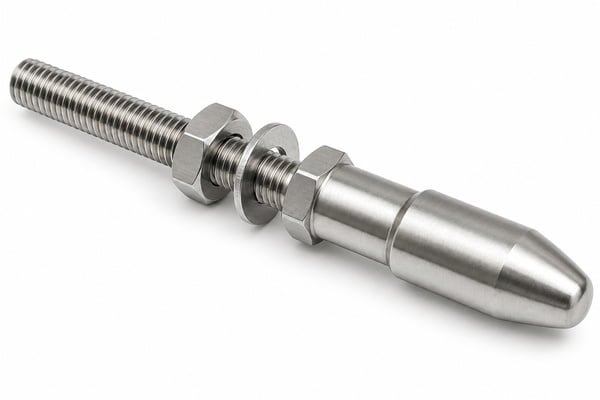
Catalogue illustration: Swage Stud Cable Terminal — WR096. Shown as a component reference, not an installation drawing or test result.
Does a clean cut prove assembly strength? No. The terminal process and any required assembly testing are separate. NIST’s conformity-assessment overview helps distinguish appearance checks from performance evidence.
Can a frayed end be recut? Only if the approved procedure and remaining length allow it. Record the rework so the delivered length remains correct.
For repeat orders, agree OEM cut-length and kit requirements, review the manufacturing scope, and request an assembly-specific quotation. Include cable construction, terminal drawing, final length reference, quantity and inspection requirements. Buying a controlled assembly process is more dependable than specifying “clean-cut cable” alone.