Stainless steel railing systems can look simple at first, but buying them for a commercial project often becomes risky when the first question is only “304 or 316 price?” If the environment, usage, and component scope are unclear, the result can be corrosion complaints, missing parts, installation delays, and avoidable rework.
You should start by confirming the project conditions, not the price. For commercial stainless steel railing systems, the first checks should be installation location, indoor or outdoor use, coastal or humid exposure, traffic intensity, maintenance expectations, full component list, and local code requirements. Price only becomes meaningful after these details are comparable.
In my supplier-side project discussions, I often see contractors start with a material grade request. That is understandable. But a better first step is to define the project situation clearly, then match the railing system to the real installation conditions.
Why Should Stainless Steel Railing Systems Start With Project Conditions?
A commercial railing mistake rarely starts on site. It usually starts earlier, when the buyer gives too little information and the supplier makes assumptions. That gap can affect corrosion resistance, surface finish, fittings, packaging, and installation fit.
The best starting point for stainless steel railing systems is a project-condition checklist. Contractors should confirm environment, usage level, finish expectations, installation method, and maintenance plan before comparing quotations. This helps suppliers recommend a more suitable direction and reduces the chance of wrong materials or mismatched accessories.

Start with the real environment
I usually ask these questions before giving a serious recommendation:
- Will the railing be indoor or outdoor?
- Is the project near the sea, swimming pool, or high-humidity area?
- Is the location exposed to rain, cleaning chemicals, or salt air?
- Is it a hotel, mall, school, office, airport, or apartment project?
- How often will the railing be cleaned and maintained?
- Who is responsible for installation and site measurement?
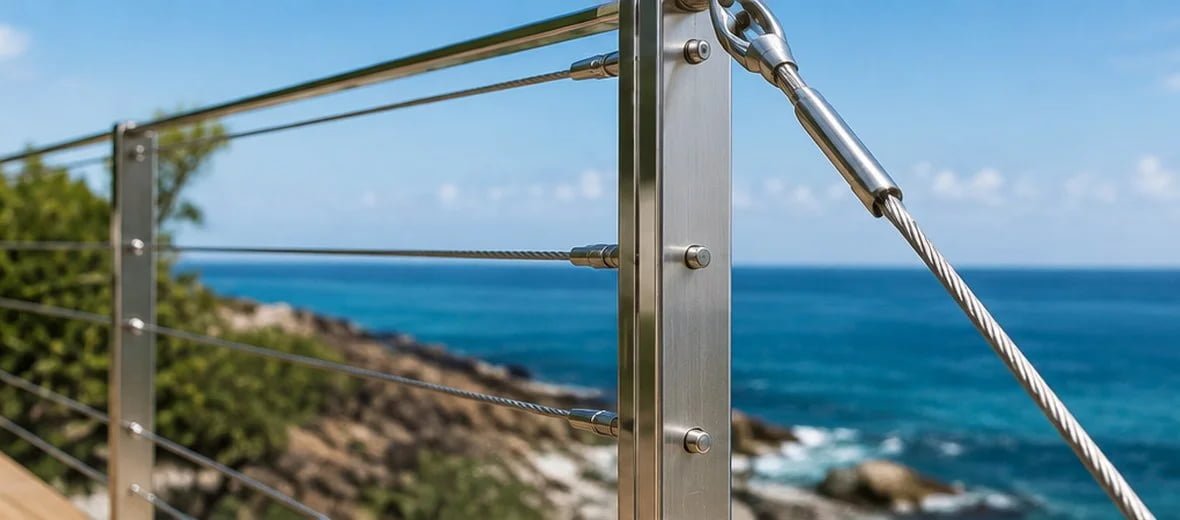
These questions matter because stainless steel is corrosion resistant, not corrosion proof. A dry indoor office lobby is very different from a coastal balcony or public pool area. The same visual design can need different material direction, surface finish, and maintenance expectations.
Here is a simple way to think about the starting point:
| Project factor | Why it matters |
|---|---|
| Indoor or outdoor use | Affects corrosion risk and finish choice |
| Coastal or humid exposure | May require stronger corrosion planning |
| Public traffic level | Affects durability and maintenance |
| Installation method | Affects posts, anchors, glass clamps, and connectors |
| Local code review | Must be checked by qualified professionals |
I can help clarify early product direction, but I do not replace a structural engineer, testing lab, or local code authority. For commercial projects, contractors should always confirm load requirements, guard height, glass safety rules, and fixing methods with qualified local professionals.
Why Are Stainless Steel Railing Systems More Than Just Material Grade?
Many buyers ask, “What is your 304 price?” or “How much for 316?” I understand why. Grade is easy to compare. But a railing project is not just a tube or post. It is a complete system.
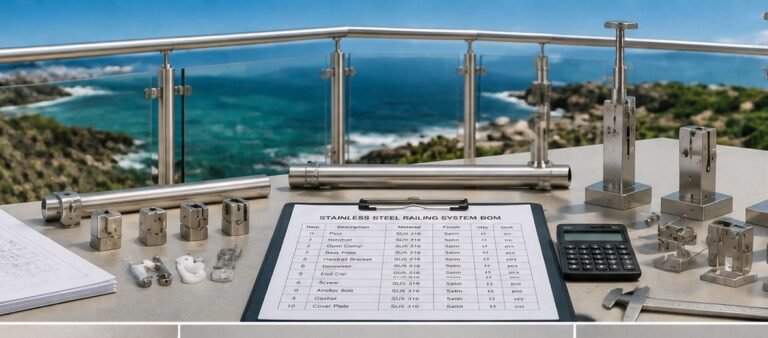
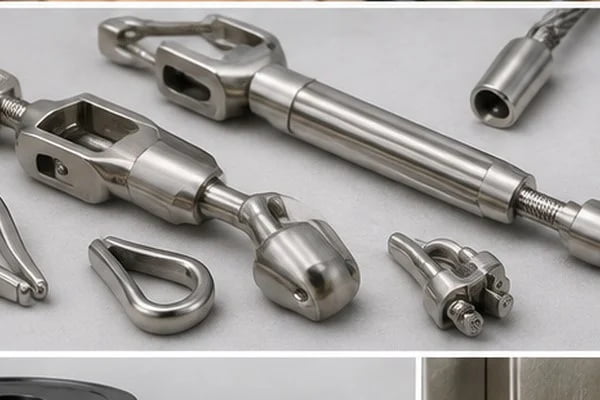
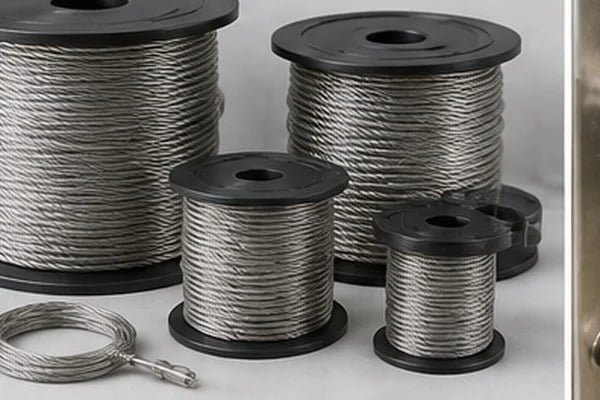
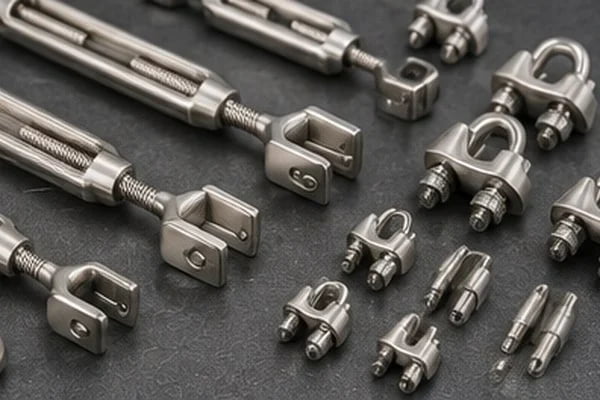
Stainless steel railing systems include posts, handrails, brackets, glass clamps, connectors, base plates, fasteners, gaskets, surface finish, packaging, and installation compatibility. If one part is missing or does not match, the whole project can be delayed even if the main material is correct.
Check the full system scope
Before comparing prices, I suggest contractors prepare a basic component list. It does not need to be perfect at the first inquiry, but it should be clear enough for a supplier to understand the system.
Common items include:
Posts
Round, square, side-mounted, top-mounted, or custom.Handrails
Tube size, wall thickness, shape, and connection method.Glass clamps or channels
These must match glass thickness and installation layout.Connectors and elbows
Small parts often cause big delays when missed.Fasteners and anchors
These should suit the substrate and be checked by the project engineer.Surface finish
Satin, mirror, brushed, or other finishes can affect appearance and maintenance.Packaging
Commercial projects need protection against scratches during sea freight and site handling.
In one anonymized project conversation, a buyer sent only a railing photo and asked for a fast price. After several follow-up questions, we found that the project needed both stair railing and balcony railing, with different fixing conditions. The first quotation would have been incomplete if we priced only the visible handrail and posts.
That is why I prefer to clarify the full system first. It saves time later.
How Should Contractors Compare Stainless Steel Railing Systems Prices?
Price matters. I know every contractor has a budget. But price comparison becomes misleading when the quotations are based on different materials, finishes, thicknesses, accessories, packaging, or service responsibilities.
Contractors should compare stainless steel railing systems only after the specification, component scope, finish, packing method, drawings, and supplier responsibilities are aligned. A lower price may simply mean missing fittings, thinner material, different finish quality, weaker packaging, or less pre-sales technical clarification.
Make quotations comparable
A useful quotation should answer these questions:
- What material grade is quoted?
- What surface finish is included?
- What wall thickness and dimensions are included?
- Are clamps, brackets, connectors, screws, and gaskets included?
- Is glass included or excluded?
- Is packaging suitable for export and site protection?
- Are drawings, samples, or mock-up support available?
- Who checks installation compatibility?
A simple comparison table can prevent confusion:
| Item | Supplier A | Supplier B | Risk if unclear |
|---|---|---|---|
| Material grade | 304 | 316 | Corrosion expectation mismatch |
| Finish | Brushed | Mirror | Different maintenance and appearance |
| Accessories | Included | Excluded | Missing parts on site |
| Packaging | Export carton + protection | Basic packing | Scratch risk |
| Drawings | Yes | No | Installation uncertainty |
I often tell buyers that the cheapest quote is not always the lowest project cost. If missing parts stop installation for one week, the site delay can cost more than the original savings.
Frequently Asked Questions
Is 316 always better than 304 for commercial railings?
Not always. 316 may be more suitable for some coastal, humid, or aggressive environments, but the right choice depends on exposure, maintenance, finish, budget, and project requirements. Contractors should confirm conditions before choosing.
What information should I send before asking for a railing quote?
Send project location, indoor or outdoor use, drawings, photos, railing height, fixing method, finish preference, glass thickness if used, quantity, and expected delivery schedule. This helps suppliers quote more accurately.
Can a supplier confirm local building code compliance?
A supplier can help with product information, component clarification, and early specification support. However, local engineers, architects, or code consultants should confirm structural calculations, safety rules, and legal compliance.
Why do railing projects often have missing components?
Missing components usually happen because the inquiry focuses only on posts or handrails. A complete system needs connectors, clamps, fasteners, gaskets, base plates, and installation details checked together.
<!-- elim-blog-links-20260925 -->
Related guides and product references
For the next stage of stainless steel railing systems selection, use these guides alongside the product catalogue. Catalogue references do not replace project-specific drawings or engineering approval.
- Before You Place a Railing Hardware Order: 10 Supplier Details Worth Verifying
- What Should Be Included in a Stainless Steel Railing System BOM?
- From Drawing Approval to Mass Production: Inside an OEM Railing Components Order
- One Supplier or Multiple Suppliers? Sourcing a Complete Stainless Steel Railing System
- Stainless Steel Railing System Components: The Complete Buyer's Guide
- Stainless steel railing systems product range
- Pivoting Glass Handrail Bracket — Reference silver appearance — SSR-001 — catalogue reference
<!-- /elim-blog-links-20260925 -->
Conclusion
Buying stainless steel railing systems should start with project conditions and full system scope, not only price or material grade. Contractors should confirm environment, usage, components, finish, installation method, and local compliance review before comparing suppliers. If you are preparing a commercial railing inquiry, send the project details first. I can help you organize the specification and clarify the system before quotation.