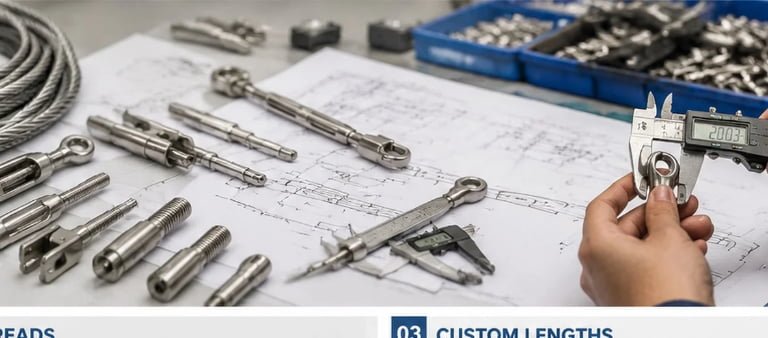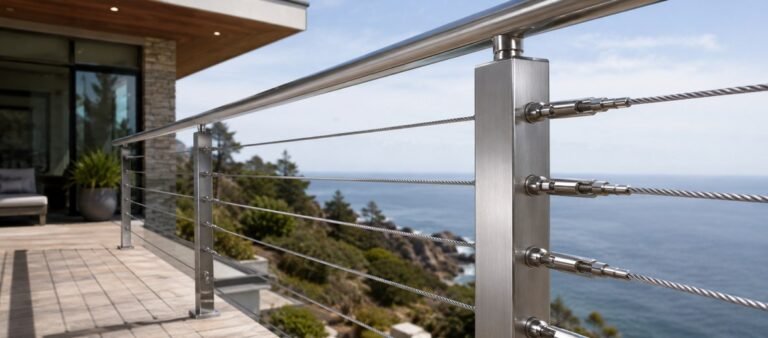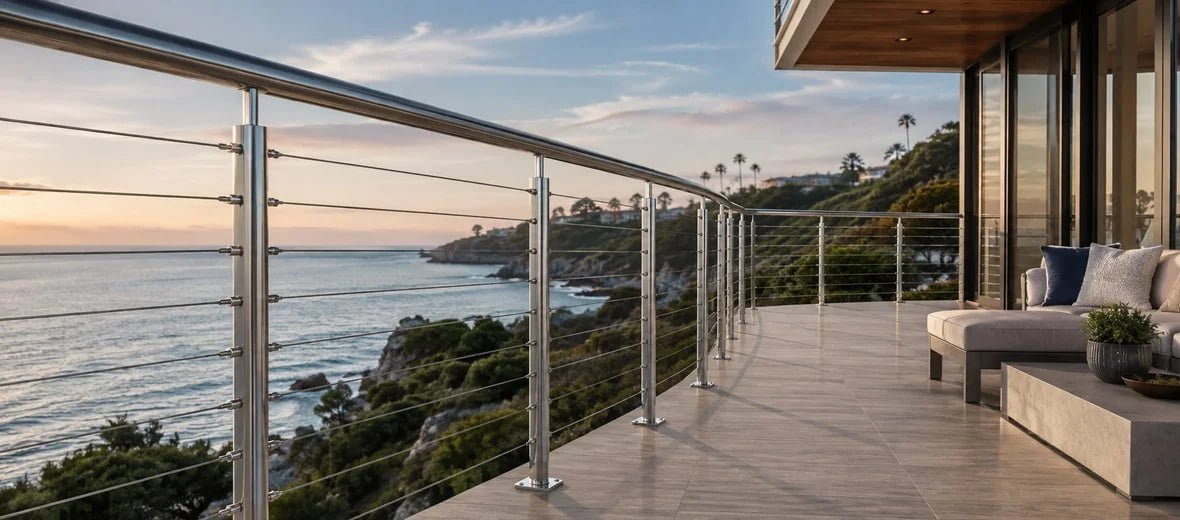
Stainless steel wire rope systems can look simple when buyers compare only diameter, grade, and meter price. The problem is that a low quote may hide missing fittings, wrong fixing methods, or unsuitable material. I have seen this pattern in export inquiries, and the better solution is to evaluate the full system first.
Project buyers should source stainless steel wire rope systems as complete application-based assemblies, not as loose rope sold by the meter. The key factors are application scenario, environment, rope construction, end fittings, tensioning method, fixing points, installation drawings, and maintenance expectations. A cheap rope-only quote may become expensive if the system does not fit the project.
In many project conversations I have joined, buyers started with three questions: “What diameter?”, “304 or 316?”, and “What price per meter?” Those questions matter, but they rarely tell the full story.
Why Are Stainless Steel Wire Rope Systems Not Just a Per-Meter Purchase?
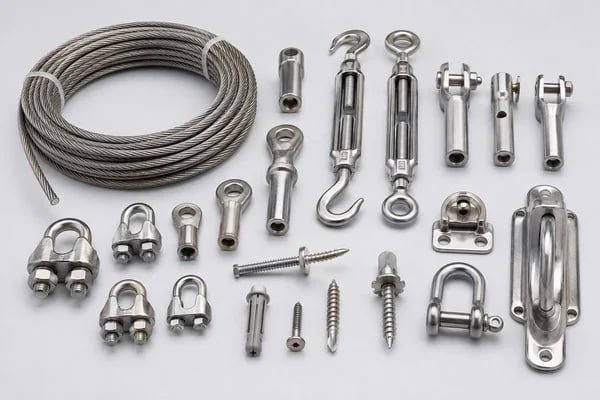
A per-meter price is easy to compare, but it can mislead buyers. Stainless steel wire rope systems depend on how the rope, fittings, clamps, turnbuckles, anchors, and fixing points work together in the real project.
The short answer is this: buyers should compare system-level quotations, not rope-only quotations. A complete quote should clarify rope diameter, material grade, construction, end fittings, tensioning parts, surface finish, packing, drawings, and installation assumptions.
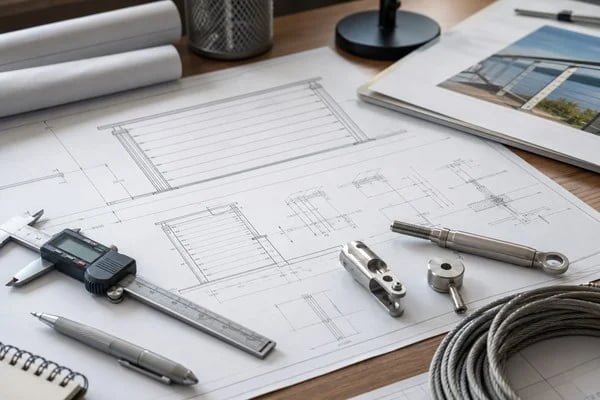
What I often see in inquiries
I often receive or review inquiries that say something like:
“Please quote 6mm stainless steel wire rope, 316, 1,000 meters.”
That sounds clear, but it leaves many open points:
- Is it for a railing infill, curtain wall, decorative mesh, enclosure, or suspension feature?
- Does the buyer need swaged end fittings, eye terminals, threaded terminals, or clamps?
- How will the rope be tensioned?
- What are the fixing points made from?
- Is the project indoor, outdoor, humid, coastal, or industrial?
- Does the buyer need drawings, samples, inspection photos, or material documents?
A rope-only price may look lower because it excludes the parts that make the rope usable. This does not mean the supplier is dishonest. It often means the specification is incomplete.
A better comparison table looks like this:
| Item to Compare | Rope-Only Quote | System-Level Quote |
|---|---|---|
| Wire rope body | Included | Included |
| End fittings | Often missing | Specified |
| Tensioning method | Not clear | Confirmed |
| Environment suitability | Not evaluated | Discussed |
| Installation risk | Higher | Lower |
| Real project cost | Unclear | Easier to estimate |
For architectural buyers, this difference can affect installation time, visual result, corrosion risk, and project acceptance.
How Should Project Buyers Specify Stainless Steel Wire Rope Systems?
Buyers should begin with the project application before they choose the rope specification. The same 4mm, 6mm, or 8mm rope may behave differently depending on spacing, fixing method, visual design, and installation conditions.
A practical specification should include application, drawings, environment, preferred material, rope diameter, construction, fitting type, tensioning method, quantity, packaging, and inspection requirements. If safety or structural performance matters, buyers should ask a qualified engineer or professional testing body to review the design.
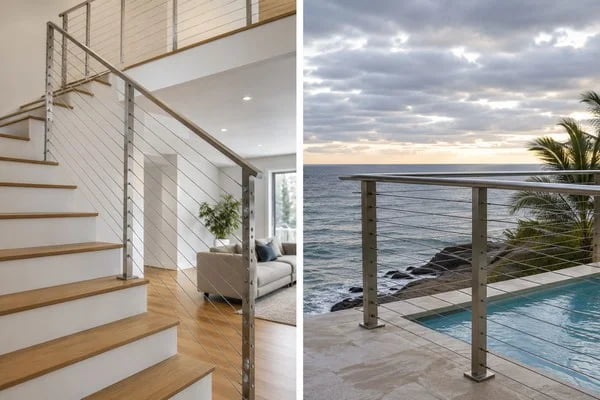
A simple sourcing checklist
When I help summarize buyer questions, I prefer this order:
Application first
Railing, decorative mesh, zoo enclosure, curtain wall support, trellis, or safety barrier.Environment second
Indoor dry areas are different from coastal, humid, poolside, or industrial environments.System design third
Rope direction, spacing, fixing points, tensioning access, and required appearance.Component list fourth
Rope, terminals, clamps, turnbuckles, anchors, screws, sleeves, and tools.Documentation last
Material certificates, inspection reports, sample approval, packing photos, and shipping marks should be requested and verified.
Here is a more useful inquiry format:
“We need a stainless steel wire rope system for an outdoor railing project near the coast. Please quote rope, fittings, tensioners, and fixing accessories based on the attached drawing. Please advise suitable material options and what documents can be provided.”
This kind of inquiry helps suppliers respond with fewer assumptions. It also helps buyers compare offers fairly.
When Does Material Grade Matter Most in Stainless Steel Wire Rope Systems?
Material choice should follow environmental risk, not only price. 304 and 316 are both common stainless steel options, but the better choice depends on location, exposure, maintenance plan, budget, and project acceptance standards.
In simple terms, 304 may suit many indoor or lower-risk environments, while 316 is often considered for outdoor, humid, coastal, or more corrosive conditions. Buyers should still verify project requirements, supplier documents, and professional recommendations before final approval.
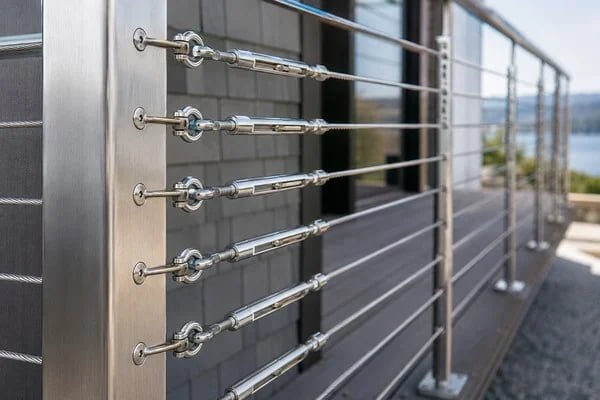
Do not treat 304 vs. 316 as “bad vs. good”
I try not to frame 304 and 316 as a simple good-or-bad decision. That creates the wrong buying logic. The real question is: what risk is the project exposed to?
For example:
- Indoor decorative use: 304 may be acceptable if the environment is dry and maintenance is normal.
- Outdoor city projects: 316 may be preferred, depending on exposure and budget.
- Coastal or poolside areas: corrosion risk is higher, so material choice, surface finish, and maintenance become more important.
- Public architectural projects: buyers may need clearer documentation and professional review.
Also, stainless steel does not mean “no maintenance forever.” Buyers should ask about cleaning expectations, packaging protection, and surface handling. Scratches, contamination, and poor storage can affect the final appearance.
A very low quote may skip this discussion. A better supplier conversation should explain what is included, what is assumed, and what needs confirmation.
Frequently Asked Questions
What should I send suppliers before asking for a quote?
You should send drawings, application photos, rope diameter if known, material preference, environment details, fitting requirements, quantity, and expected documents. If you do not know the full specification, explain the project use first.
Is 316 stainless steel always necessary?
No. 316 is not always necessary. It is often considered for higher-risk outdoor, humid, coastal, or corrosive environments. The final choice should depend on project conditions, budget, maintenance expectations, and any required standards.
Why do two stainless steel wire rope quotes differ so much?
The quotes may include different scopes. One supplier may quote only the rope body, while another includes end fittings, tensioners, clamps, packing, inspection, and project-specific accessories. Always compare item by item.
Can suppliers decide the safety design for my project?
Suppliers can suggest components based on experience, but they should not replace qualified engineering review. For load-bearing, public safety, or code-controlled projects, buyers should consult professional engineers and verify all required documents.
<!-- elim-blog-links-20260925 -->
Related guides and product references
For the next stage of wire rope systems selection, use these guides alongside the product catalogue. Catalogue references do not replace project-specific drawings or engineering approval.
- 5 Wire Rope Fitting Problems That Can Turn Into Expensive Project Claims
- Custom Threads, Lengths and Finishes: What Can Be OEM-Made in Wire Rope Fittings?
- Why Wire Rope Diameter Alone Is Not Enough When Selecting a Cable System
- Inside a Complete Wire Rope System: Terminals, Tensioners, Cables and Fixings Explained
- How to Choose Stainless Steel Wire Rope System Fittings
- Wire rope systems product range
- 1x19 Stainless Steel Wire Rope — WR001 — catalogue reference
<!-- /elim-blog-links-20260925 -->
Conclusion
Sourcing stainless steel wire rope systems is not only about finding the lowest meter price. Buyers should evaluate the full assembly, including application, environment, fittings, tensioning method, material documents, and installation assumptions. If you are preparing a project inquiry, send drawings, photos, and environmental details first. That gives suppliers a better chance to quote the right complete system, not just a cheap partial one.