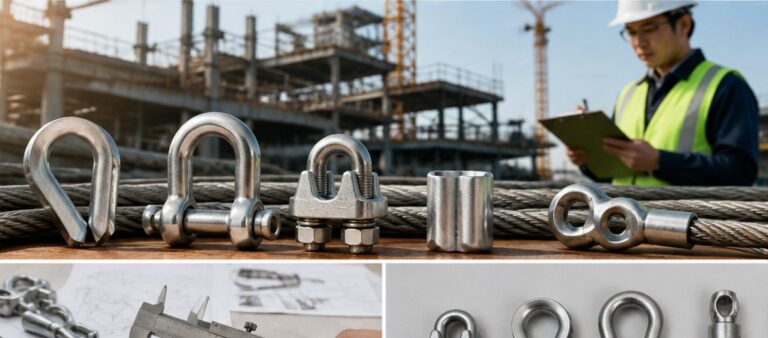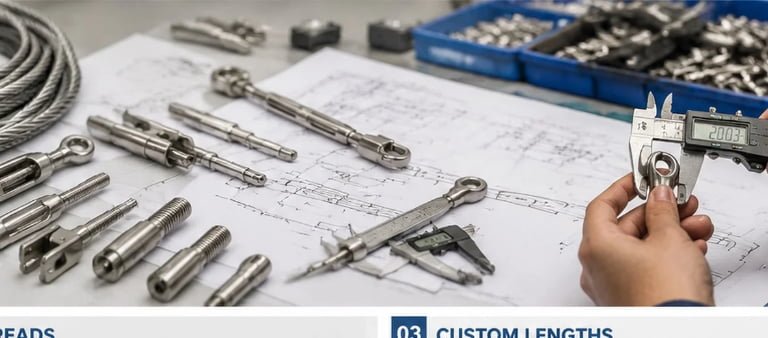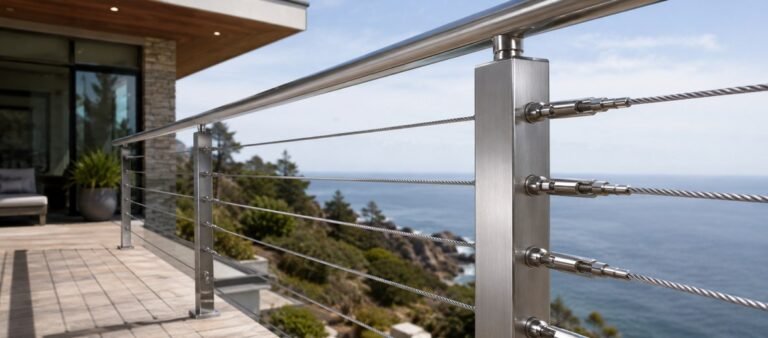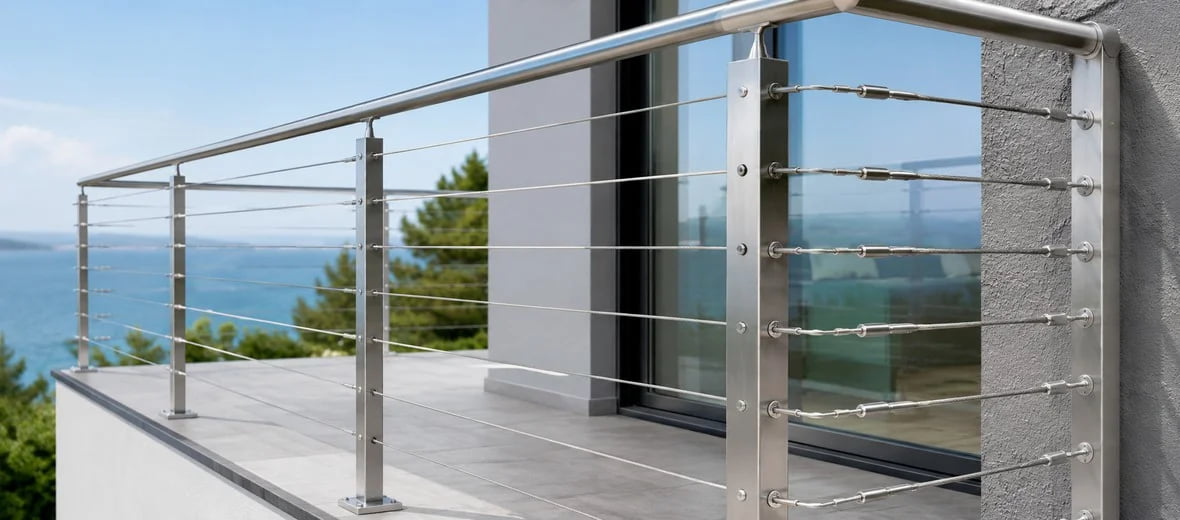
A wire rope system looks simple until one missing terminal, wrong thread, or mismatched fixing delays the whole order. Buyers often compare cable diameter and price first, but the real risk sits in compatibility. I prefer to start with the application, then match every part as one workable set.
A wire rope system is a matched group of cable, terminals, tensioners, and fixings used together for railing, stair, balcony, guardrail, or similar installations. Buyers should specify the application, cable size, end connection, fixing surface, and installation direction before requesting a quote, so the supplier can check whether the parts fit together.
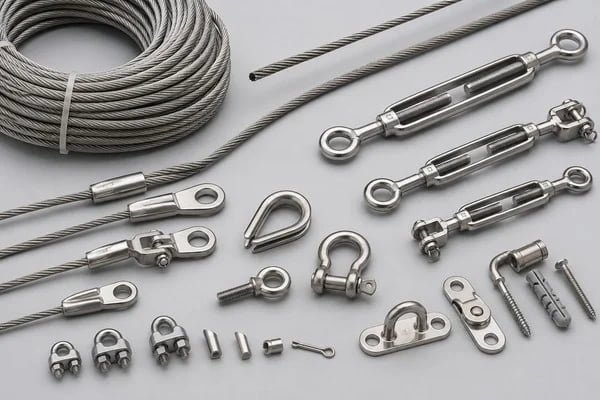
I have seen many inquiries begin with one line: “Please quote 4mm stainless steel cable.” That sounds clear, but it is usually not enough. The cable is only one part. The complete set must answer a bigger question: how will this cable be fixed, tightened, and installed?
Why should a wire rope system start from the application?
A wire rope system can fail as a procurement plan before it ever reaches installation. The problem is not always product quality. Often, the buyer and supplier are talking about parts, while the real need is an installation-ready set.
The best starting point is the application scenario. A railing, stair, balcony, or guardrail project should define the cable direction, post material, fixing point, and end connection first. After that, the cable, terminal, tensioner, and fixing can be matched more accurately.
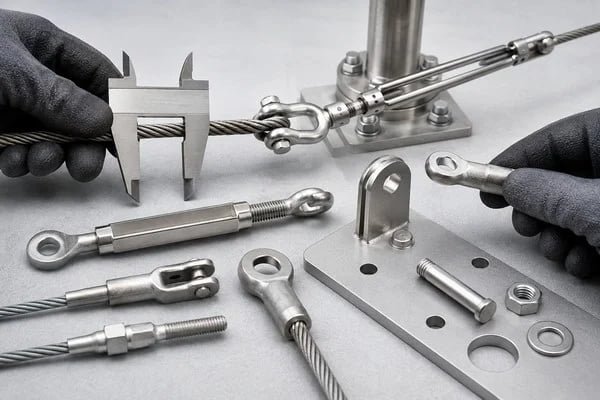
Think in “sets,” not loose parts
When I help buyers match these products, I usually ask a few basic questions before quoting:
- Where will the system be used: railing, stair, balcony, guardrail, display, or other use?
- What is the cable diameter and construction?
- What material is required, such as stainless steel grade?
- How will the cable end connect?
- Will the cable be fixed into wood, steel, concrete, or a metal post?
- Does the buyer need swage, screw, eye, fork, stud, or other terminal styles?
- Is a tensioner needed at one end or both ends?
These questions are not just formalities. They reduce missing parts and repeated communication. For example, a buyer may choose a 5mm cable and a terminal that looks suitable, but the thread size may not match the tensioner. Another buyer may select a beautiful end fitting, but the fixing hole on the post may be too small.
Here is a simple procurement view:
| Item | What buyers often ask | What also needs checking |
|---|---|---|
| Cable | Diameter, material, length | Construction, surface finish, application |
| Terminal | Style and price | Cable fit, thread, crimping method |
| Tensioner | Size | Adjustment range, connection direction |
| Fixing | Screw or anchor | Base material, hole size, installation access |
A complete wire rope system is not about buying more parts. It is about buying parts that can work together.
What makes terminals, tensioners, cables, and fixings compatible in a wire rope system?
Compatibility problems are easy to miss because many fittings look similar in photos. The issue usually appears later, when the buyer checks drawings, samples, or installation details.
A compatible wire rope system depends on cable diameter, terminal type, thread size, hole size, fixing surface, connection direction, and installation method. Similar materials do not automatically mean interchangeable parts, so every connection point should be checked before order confirmation.
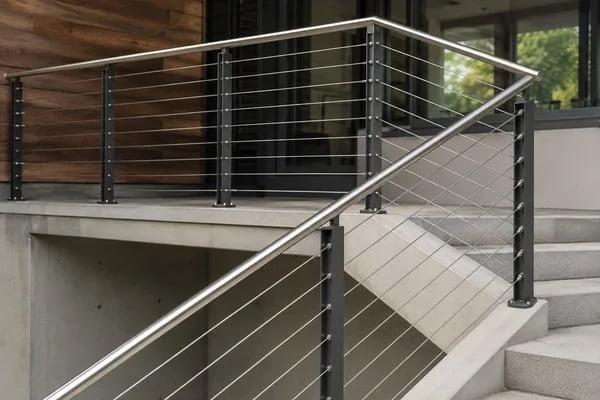
The hidden details matter
In real order communication, I often see buyers focus on stainless steel material first. That matters, especially for corrosion resistance, but it does not solve the full matching problem. Project conditions still need verification. Indoor, outdoor, coastal, humid, or high-traffic environments may require different material choices, and the buyer should confirm project-specific requirements with qualified professionals when safety or code compliance is involved.
The most common matching points include:
Cable diameter
A terminal made for 3mm cable should not be assumed to fit 4mm or 5mm cable.Thread size
A tensioner and terminal may both be stainless steel, but the thread can still be different.End fitting type
Eye, fork, stud, ball, and swage terminals connect in different ways.Fixing direction
Some parts pull straight. Others connect at an angle. Stair applications often need extra attention.Base material
Wood, steel post, aluminum post, concrete, and wall fixing may require different screws, anchors, or plates.Installation access
Some systems look good on paper but are difficult to tighten on site.
My rule is simple: if one part changes, I recheck the whole connection chain.
This does not replace engineering review. It is procurement risk control. For architectural or safety-related projects, load requirements, local regulations, and installation design should be verified by qualified engineers or project professionals.
How should buyers request a quote for a complete wire rope system?
A vague inquiry creates slow replies, wrong samples, and extra revisions. A clear inquiry helps the supplier check the full set quickly and suggest fewer corrections.
To quote a wire rope system efficiently, buyers should provide the application, cable diameter and material, end connection style, fixing base, installation drawing or photo, quantity, packaging needs, and any project-specific requirements that need verification.
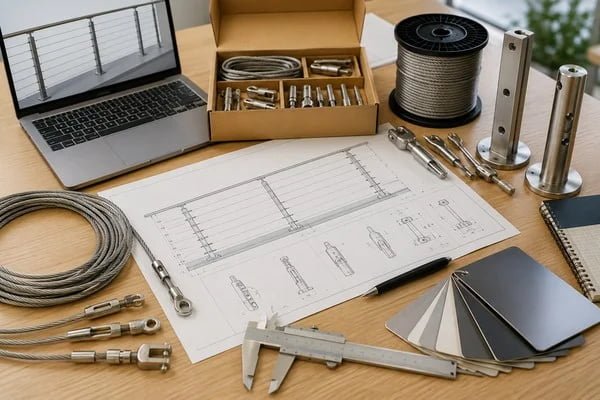
A better inquiry template
Instead of asking only, “How much is 4mm cable?”, I suggest sending something like this:
- Application: balcony railing / stair handrail / guardrail
- Cable: 4mm or 5mm, preferred material if known
- Length per set: exact or estimated
- End connection: swage stud, fork, eye, screw terminal, or unsure
- Tensioning method: one-end or two-end adjustment
- Fixing surface: steel post, wood post, concrete wall, etc.
- Drawing/photo: post hole size, spacing, and direction if available
- Quantity: project quantity or trial order
- Packaging: bulk, retail pack, private label, or project kit
This makes the quote more useful. It also helps the supplier identify missing pieces before production or shipment.
For importers, wholesalers, contractors, and e-commerce sellers, this approach is especially helpful. A product listing may show one cable kit, but real buyers may need several versions: different cable lengths, terminal combinations, fixing screws, and packaging. The earlier these details are confirmed, the fewer surprises appear later.
Frequently Asked Questions
Can I buy cable first and choose fittings later?
You can, but I do not recommend it. Cable diameter, construction, and end preparation affect which terminals and tensioners can be used. It is safer to match the full wire rope system before purchasing.
Are all stainless steel wire rope fittings interchangeable?
No. Stainless steel grade is only one factor. Thread size, cable diameter, hole size, fitting type, and installation direction still need checking. Material similarity does not guarantee compatibility.
Do I need engineering approval for railing or guardrail use?
For safety-related applications, buyers should consult qualified engineers, installers, or local code professionals. A supplier can help match purchasable components, but project load requirements and compliance decisions need professional verification.
<!-- elim-blog-links-20260925 -->
Related guides and product references
For the next stage of wire rope systems selection, use these guides alongside the product catalogue. Catalogue references do not replace project-specific drawings or engineering approval.
- 5 Wire Rope Fitting Problems That Can Turn Into Expensive Project Claims
- Custom Threads, Lengths and Finishes: What Can Be OEM-Made in Wire Rope Fittings?
- Why Wire Rope Diameter Alone Is Not Enough When Selecting a Cable System
- Sourcing Stainless Steel Wire Rope Systems: What Project Buyers Often Overlook
- How to Choose Stainless Steel Wire Rope System Fittings
- Wire rope systems product range
- 1x19 Stainless Steel Wire Rope — WR001 — catalogue reference
<!-- /elim-blog-links-20260925 -->
Conclusion
A wire rope system should be sourced as one matched set, not as isolated cable, terminals, tensioners, and fixings. The smartest buyers start with the application, then confirm every connection point before asking for price. If you are preparing a railing, stair, balcony, or guardrail inquiry, send your drawing, photos, cable size, fixing base, and quantity. I can help review the component matching and turn separate parts into a clearer purchasing list.