

Wire rope fitting problems often start with a simple purchase request: “Please quote for this rope diameter.” The problem is that diameter alone does not confirm use, load, material, surface treatment, or inspection needs. If these details are missed, a cheap hardware order can become rework, delay, or a claim discussion.
Wire rope fitting problems can turn into project claims when buyers order fittings by size or price without confirming application, load requirements, standards, material, surface finish, packaging, markings, and documents. The safest approach is to confirm specifications before production and keep records that support inspection, delivery, and responsibility communication.
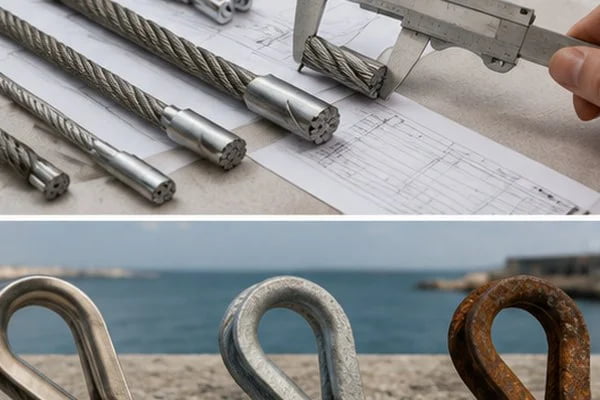
I have handled many B2B discussions where the first inquiry looked simple, but the later project details changed everything. The key question is not only “Can this fit the rope?” It is also “Can this pass the project?”
1. Why Are Diameter-Only Wire Rope Fitting Problems So Common?
Diameter-only wire rope fitting problems are common because buyers often treat fittings as standard small hardware. That shortcut feels fast, but it can hide major project requirements.
A fitting should be checked against the application scenario, connection method, working load requirement, drawing, standard, and acceptance condition. If the buyer only confirms rope diameter, the supplier may quote something that fits physically but fails project use or inspection.
In my daily supplier communication, I often see this pattern:
- First message: “Need fitting for 10 mm wire rope.”
- Later update: “It is for outdoor lifting support.”
- Then: “Inspector needs material certificate and standard marking.”
- Finally: “Can you resend because the site cannot accept this type?”
This does not mean the original fitting was always poor quality. It means the order was not fully defined.
A safer pre-order checklist includes:
| Item to Confirm | Why It Matters |
|---|---|
| Rope diameter | Basic matching |
| End use | Different fittings serve different jobs |
| Working load or rating need | Helps avoid under-specified products |
| Drawing or sample | Reduces mismatch risk |
| Standard or inspection rule | Supports acceptance |
| Packaging and labels | Helps site matching |
For complementary guidance, see Custom Threads, Lengths and Finishes: What Can Be OEM-Made in Wire Rope Fittings?.
2. Can the Wrong Fitting Type Create Wire Rope Fitting Problems?
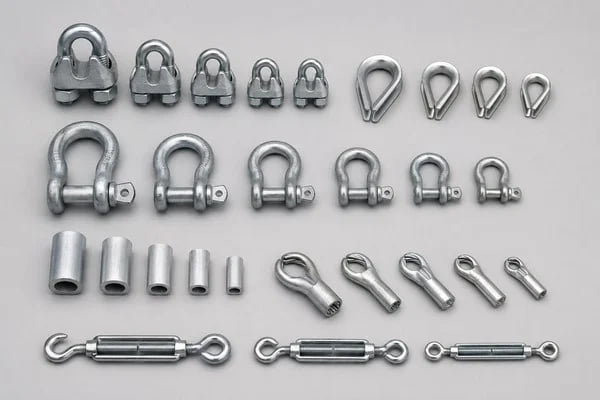
Yes. Wire rope clips, thimbles, shackles, sleeves, and end fittings are not interchangeable parts. Each one has its own use case and responsibility boundary.
If the wrong fitting type is assumed, the result may be on-site mismatch, reinstallation, delayed handover, or a dispute between buyer, supplier, and installer. The supplier should not guess the connection method when the project has specific requirements.
I try to ask simple questions before quoting:
- Is this for termination, connection, protection, or adjustment?
- Does the buyer have a drawing?
- Is there a required standard?
- Will the installer approve the structure?
- Is third-party inspection involved?
This is not an installation tutorial. A qualified engineer or project professional should check application-specific decisions. From a procurement view, the important point is clear: the product name alone is not enough.
For complementary guidance, see Why Wire Rope Diameter Alone Is Not Enough When Selecting a Cable System.
3. How Do Material and Surface Treatment Cause Wire Rope Fitting Problems?
Material and surface treatment can cause wire rope fitting problems when they do not match the environment. A lower-cost option may look acceptable at delivery, but it may not perform well outdoors, in humidity, near salt air, or in corrosive conditions.
Buyers should confirm whether the project needs galvanized, stainless steel, painted, coated, or another specified finish. They should also verify certificates and inspection requirements instead of relying on vague words like “anti-rust.”
I have seen inspection-stage arguments where the product size was correct, but the dispute focused on:
- surface finish difference,
- rust after storage,
- unclear stainless grade,
- missing material certificate,
- no agreed corrosion requirement,
- packaging that allowed moisture damage.
The lesson is simple. Price only makes sense after the material and finish are clear. A low price is not automatically bad. The real risk is low price plus unclear specifications.
For complementary guidance, see Inside a Complete Wire Rope System: Terminals, Tensioners, Cables and Fixings Explained.
4. Why Does Delivery Consistency Matter So Much?
Delivery consistency matters because project teams usually need fast matching, clear installation preparation, and smooth inspection. Even acceptable products can create trouble if batches are mixed, labels are unclear, or markings are inconsistent.
Batch differences, dimensional tolerance issues, missing labels, mixed packaging, or undocumented substitutions can slow down the site team and create unnecessary responsibility discussions.

For larger orders, I prefer to confirm:
- packing method,
- carton labels,
- batch identification,
- marking requirements,
- acceptable tolerance,
- whether substitutions are allowed.
This is especially important for distributors and contractors. Their customer may not care why the goods are hard to sort. They only see delay.
5. Can Missing Documents Turn Into Claim Friction?
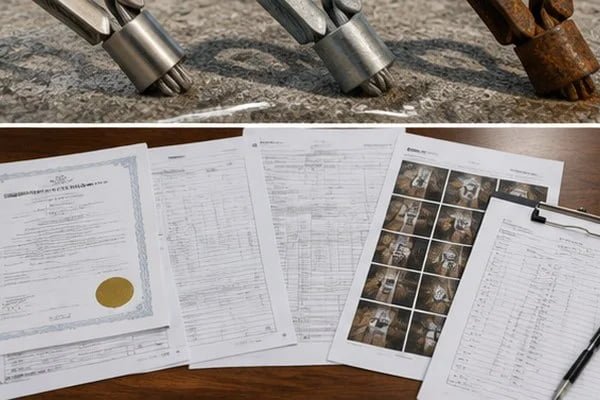
Yes. Missing documents may not damage the fitting itself, but they can make disputes harder to resolve. Many project buyers need paperwork for acceptance, third-party inspection, or internal quality files.
Useful documents may include inspection reports, material certificates, specification confirmation records, packing lists, batch numbers, product labels, and photos before shipment. These records help both sides discuss facts instead of memories.

I do not treat documents as decoration. I treat them as risk control. Before production, buyers should ask:
- What certificate is required?
- Who will check the goods?
- What photos are needed before shipment?
- What labels must appear on cartons?
- What information must match the purchase order?
Clear records do not decide legal responsibility. But they can reduce confusion when a complaint appears.
Frequently Asked Questions
Are wire rope fittings standard products?
Some fittings are standard, but project acceptance may still depend on material, finish, load rating, marking, packaging, and documents. Buyers should not rely on size alone.
Is the cheapest wire rope fitting always risky?
No. Low price is not the problem by itself. Risk appears when low price comes with unclear specifications, unapproved substitutions, weak packaging, or missing inspection documents.
What should I confirm before ordering wire rope fittings?
You should confirm rope diameter, application, connection method, standard, load requirement, material, surface treatment, marking, packaging, labels, and required documents.
Who should approve the final fitting choice?
A qualified project engineer, installer, or responsible technical party should approve application-specific choices. Procurement should make sure the order information is complete and documented.
Wire fitting problem log: a practical decision record
Use this proposed worksheet to record a purchasing decision. It is an editorial checklist, not a completed project inspection or test result.
| Review step | What to record |
|---|---|
| Define the requirement | Record the rope construction, fitting code, thread, termination method and observed mismatch. |
| Resolve the interface | Keep rejected and approved samples distinguishable, and document the corrective action before a replacement order. |
Worked example: Nonconformity cost
Illustrative assumptions only — not an actual order, measured result, price offer or engineering approval.
For 5 rejected fittings, assume USD 12 per replacement and USD 40 combined freight. The direct replacement estimate is 5 × 12 + 40 = USD 100, excluding labour.
Decision: The hypothetical cost does not determine fault; preserve inspection and compatibility evidence.
Reference and applicability
Bekaert rope diameter guidance: Manufacturer guidance considers construction and strength alongside diameter; it does not approve an architectural assembly. Project-specific technical or regulatory requirements should be checked by the responsible qualified professional.
Editorial update: 25 September 2026. This update checks article structure, topic scope and the references identified above. It does not claim independent engineering certification.
Related guides and product references
For the next stage of wire rope systems selection, use these guides alongside the product catalogue. Catalogue references do not replace project-specific drawings or engineering approval.
- Sourcing Stainless Steel Wire Rope Systems: What Project Buyers Often Overlook
- How to Choose Stainless Steel Wire Rope System Fittings
- Wire rope systems product range
- 1x19 Stainless Steel Wire Rope — WR001 — catalogue reference
Conclusion
Wire rope fitting problems are usually not just small hardware issues. They are specification, inspection, delivery, and communication risks. Before placing an order, buyers should confirm the real application, required standard, material, finish, packaging, labels, and documents. If you are sourcing project fittings, send clear drawings, photos, and acceptance requirements early so your supplier can quote, produce, and ship with fewer surprises.



Comments (2)