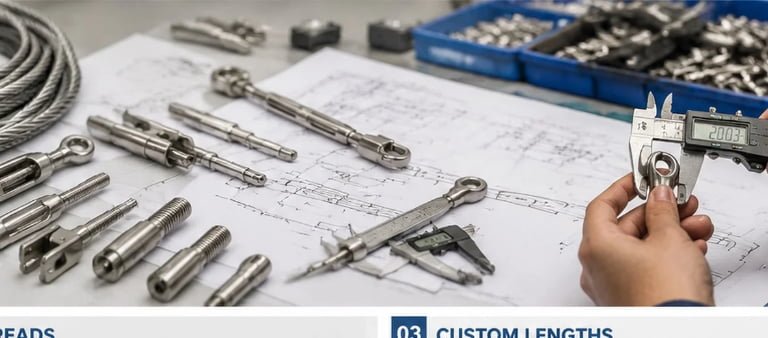
Wire rope diameter is often the first detail buyers send when they ask for a quotation. The problem is that diameter alone does not explain load, movement, environment, or fittings. That shortcut can cause wrong pricing, poor substitutes, and repeated sample checks. A better approach starts with the cable system’s real working task.
Wire rope diameter is only a first-screening parameter, not a full selection rule. A suitable cable system should be evaluated by working load, application, movement type, rope construction, material, strength grade, corrosion conditions, and compatibility with pulleys, drums, clamps, sleeves, hooks, and other end connections.
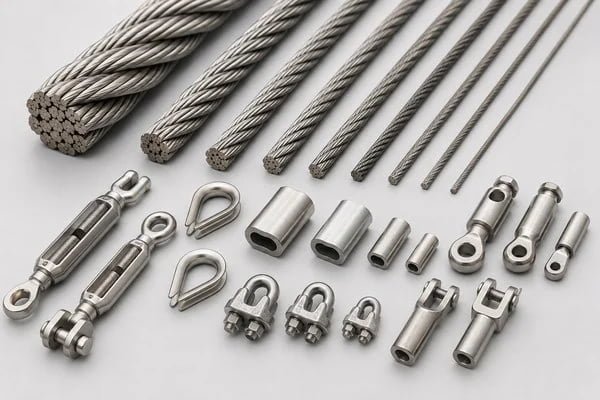
In pre-sales communication, I often see the same pattern: a buyer says, “We need 3 mm wire rope,” and then we need to ask five or six more questions before a useful recommendation is possible. Those questions are not delays. They are risk control.
Why Can Wire Rope Diameter Lead to the Wrong Quote?
A buyer may think wire rope diameter defines the product. The issue is that suppliers may quote different constructions, materials, or grades for the same size. This makes prices look comparable when the products are not actually the same.
A correct quotation needs more than wire rope diameter. Buyers should also share the application, required working load, rope construction if known, surface treatment, movement condition, end fittings, and whether the rope is replacing an existing part or supporting a new design.
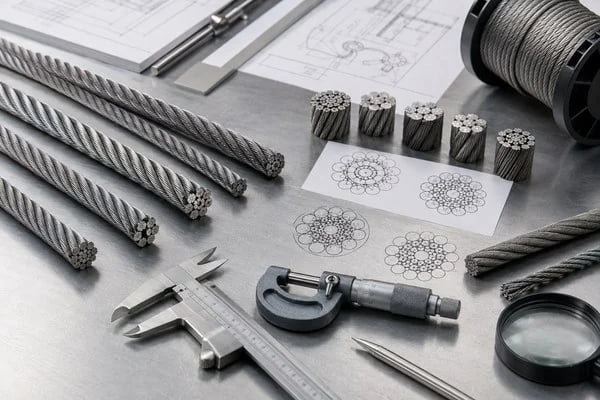
When I receive an inquiry with only a size, I usually treat it as an opening point, not a final specification. For example, two ropes can both be 4 mm, but one may be more flexible, another may have better corrosion resistance, and another may be designed for a different type of wear.
For procurement teams, the risk is practical:
- Wrong quotation: The lowest price may reflect the wrong rope type.
- Wrong substitute: A visually similar cable may not behave the same.
- Longer sampling cycle: Missing details lead to repeated confirmation.
- Poor equipment fit: The rope may not match the pulley, drum, clamp, or sleeve.
A better RFQ should include:
| Buyer question | Why it matters |
|---|---|
| What is the cable used for? | It defines the basic selection direction. |
| Is it static or moving? | Movement affects flexibility and wear needs. |
| What load is involved? | Load affects strength evaluation. |
| Is it indoor, outdoor, wet, or corrosive? | Environment affects material and coating. |
| What end fittings are required? | Fittings affect assembly and compatibility. |
| Is it a replacement? | Existing hardware may limit options. |
For any safety-critical or regulated application, buyers should ask a qualified engineer or technical specialist to verify the final selection.
Why Does the Same Wire Rope Diameter Not Mean the Same Product?
The same wire rope diameter can hide major differences. Construction, wire count, material, coating, core type, and strength grade can all change performance. Two ropes may look close in photos, but they may bend, wear, stretch, or resist corrosion differently.
Buyers should never assume same diameter means interchangeable. They should compare the full specification and the actual use condition before approving a substitute or switching suppliers.

This is where many replacement buyers run into trouble. They remove an old cable, measure the diameter, and send a photo. That is useful, but it is not complete. The old cable may have a specific construction chosen for flexibility, fatigue resistance, or compatibility with a small pulley.
Key differences include:
Rope construction
A rope’s construction affects how it bends and handles movement. A more flexible rope may be better for repeated bending, while another construction may be better for abrasion resistance. The right choice depends on the equipment, not only the size.
Material and surface treatment
Material affects corrosion resistance and service environment. A cable used outdoors, near moisture, or in a chemically exposed area may need different protection than one used indoors.
Strength grade and load expectation
Strength-related documents should be checked carefully. Buyers should verify certificates, test reports, and supplier data before making decisions. I do not recommend choosing by diameter alone when load is important.
In simple terms, wire rope diameter tells you the outer size. It does not tell you the full behavior of the cable.
How Should Buyers Evaluate Wire Rope Diameter as Part of a Cable System?
Wire rope diameter should be checked together with the surrounding components. A cable does not work alone. It works with pulleys, drums, guides, clamps, sleeves, hooks, terminals, and the movement path of the equipment.
A technically suitable rope can still be a poor choice if it does not match the system. Buyers should confirm hardware fit, bending path, end connection method, and installation limits before approving samples or bulk orders.
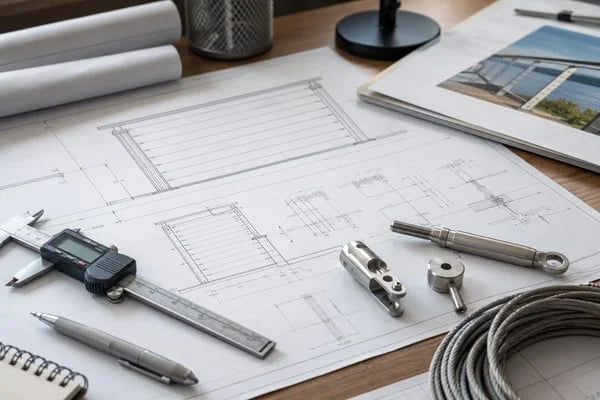
I like to reframe the buyer’s question from “What diameter do I need?” to “What task must this cable system perform?” That question leads to better answers.
Before asking for a quote, buyers can prepare this checklist:
- Application: What does the cable lift, pull, guide, support, or control?
- Movement: Is the rope fixed, sliding, bending, winding, or cycling?
- Load: What is the expected working load? Who will verify the safety factor?
- Environment: Is there water, salt, dust, heat, chemicals, or outdoor exposure?
- Hardware: What pulleys, drums, clamps, hooks, or sleeves are used?
- Replacement status: Must the new rope match old equipment exactly?
- Documents: Are material certificates, inspection reports, or compliance documents required?
This process helps suppliers respond faster and more accurately. It also helps buyers compare quotations on the same basis. If one supplier quotes only by diameter and another asks detailed questions, the second supplier may be helping reduce risk, not making the process harder.
Frequently Asked Questions
Is larger wire rope diameter always safer?
No. A larger diameter is not automatically the right choice. It may not fit pulleys, drums, clamps, or sleeves. Safety depends on the complete cable system, working load, construction, material, installation, and professional verification.
Can I replace a wire rope with another rope of the same diameter?
Not without checking the full specification. Same diameter does not guarantee the same construction, flexibility, strength grade, corrosion resistance, or fitting compatibility. Replacement buyers should share photos, drawings, application details, and hardware information.
What information should I send to a supplier for a faster quote?
You should send diameter, length, application, working load if known, movement type, environment, construction if available, end fittings, drawings, photos, and document requirements. This helps the supplier quote a closer option and avoid repeated sample revisions.
Who should confirm the final cable system selection?
For application-specific or safety-related use, a qualified engineer, equipment designer, or technical professional should confirm the final selection. Supplier input is useful for product matching, but it should not replace professional evaluation.
<!-- elim-blog-links-20260925 -->
Related guides and product references
For the next stage of wire rope systems selection, use these guides alongside the product catalogue. Catalogue references do not replace project-specific drawings or engineering approval.
- 5 Wire Rope Fitting Problems That Can Turn Into Expensive Project Claims
- Custom Threads, Lengths and Finishes: What Can Be OEM-Made in Wire Rope Fittings?
- Inside a Complete Wire Rope System: Terminals, Tensioners, Cables and Fixings Explained
- Sourcing Stainless Steel Wire Rope Systems: What Project Buyers Often Overlook
- How to Choose Stainless Steel Wire Rope System Fittings
- Wire rope systems product range
- 1x19 Stainless Steel Wire Rope — WR001 — catalogue reference
<!-- /elim-blog-links-20260925 -->
Conclusion
Wire rope diameter matters, but it is only the starting point. A reliable cable system selection also depends on load, use case, movement, environment, rope construction, material, and compatibility with fittings and equipment. When buyers share these details early, suppliers can quote more accurately and reduce sampling delays. If you are sourcing a replacement or custom cable assembly, send the full application details first so we can help review the options more efficiently.