
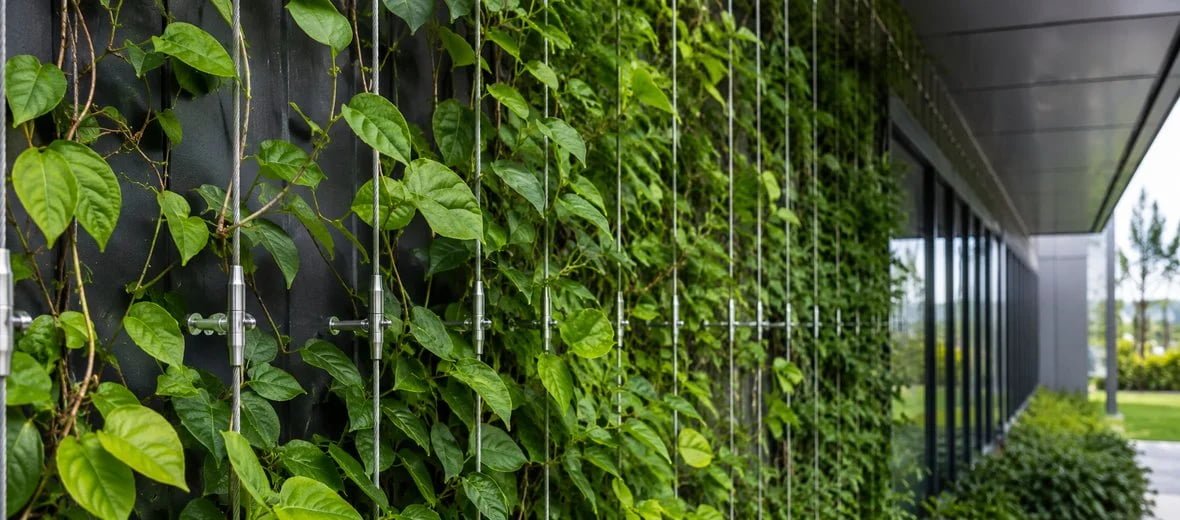
Quick answer
Source a large green-wall cable system from a common written scope. Give each bidder the same layout, plant-support requirements, substrate information and delivery scope, then reconcile cable, fittings, processing, anchorage and exclusions before comparing total prices.
Cable systems for large green wall projects can look simple at first: stainless steel cable, fittings, and a price. The problem starts when the wall size, plant load, fixing base, or maintenance plan is unclear. Then a cheap quote can become a risky order. I usually suggest treating the system as a project-specific package.
Landscape contractors should source cable systems for large green wall projects by defining the wall conditions first, then asking suppliers for a complete matched system. The RFQ should include wall size, cable layout, planting load, fixing substrate, anchoring method, fittings, tensioners, samples, packaging, documentation, and lead time—not only cable diameter and unit price.
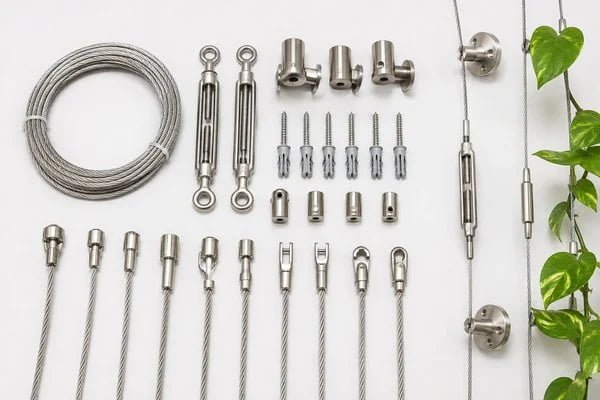
Many inquiries I see start with one sentence: “Please quote stainless steel cable, 4mm.” That is not enough for a reliable quotation. A better sourcing process turns project information into purchasable parts, clear inclusions, and a supplier comparison that makes sense.
Why Are Cable Systems for Large Green Wall Projects Not Just Cables?
A green wall support system can fail commercially before it fails physically. The contractor may receive the wrong fittings, miss tensioning parts, or order a cable length that does not match the layout. That creates delays, rework, and arguments on site.
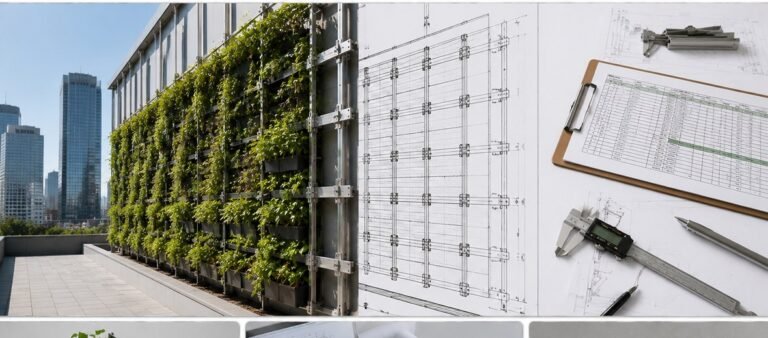
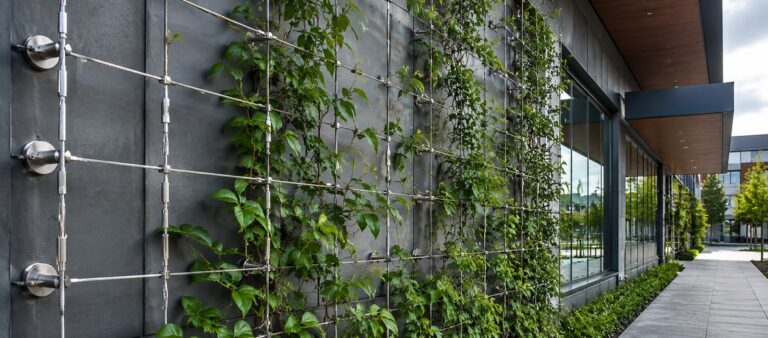
Cable systems for large green wall projects are complete support packages. They may include cables, terminals, turnbuckles, wall anchors, connectors, mesh or frame parts, cutting and swaging work, labels, packing, drawings for reference, and inspection documents. Buyers should quote the system, not only the raw cable.
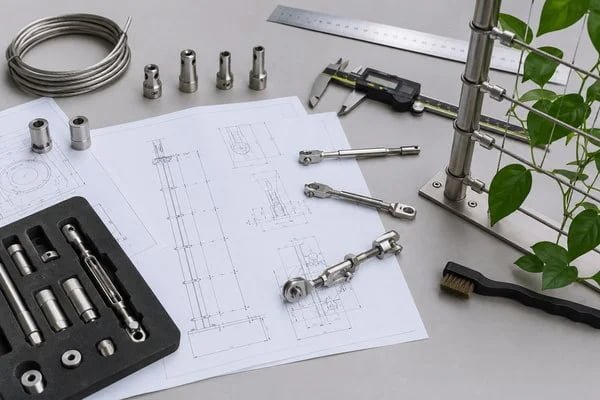
When I discuss these projects with contractors, I try to slow the conversation down. The first question should not be “What is the cheapest diameter?” It should be:
“What complete cable system fits this wall, planting plan, fixing condition, and maintenance method?”
A simple comparison helps:
| Wrong RFQ Focus | Better RFQ Focus |
|---|---|
| Cable diameter | Full system layout |
| Unit price per meter | Total project package cost |
| Generic stainless steel | Material and fitting match |
| Fast quote | Clear quote with inclusions |
| “Similar to photo” | Dimensions, load, and substrate details |
A supplier should ask questions before quoting. If a supplier gives a very low price in two minutes, I do not see that as proof of professionalism. It may only mean they quoted cable alone, without end fittings, tensioners, processing, or project packaging.
For procurement teams, the safest starting point is a system checklist:
- Stainless steel cable specification
- End fittings and swaged terminals
- Tensioners or turnbuckles
- Wall anchors or fixing accessories
- Intermediate supports if needed
- Cutting length and processing requirements
- Sample policy
- Packing and labeling
- Lead time
- Export documents and test reports for buyer review
I do not present this as structural design advice. Final load checks and fixing design should be confirmed by qualified professionals. My role is to help turn project needs into clear supplier quotations.
For complementary guidance, see What Comes in a Professional Green Wall Hardware Kit—and What Is Often Missing?.
What Project Information Should Contractors Prepare Before Asking for a Quote?
A weak RFQ creates a weak quotation. If the buyer only sends a photo, the supplier must guess. Those guesses may affect cable quantity, fitting type, processing cost, packing method, and delivery time.
Contractors should prepare wall dimensions, green wall height, cable coverage area, plant type, expected load, maintenance access, fixing substrate, anchoring conditions, installation approach, and required documents before requesting a cable system quotation. This information helps suppliers quote the correct components and state what is included or excluded.
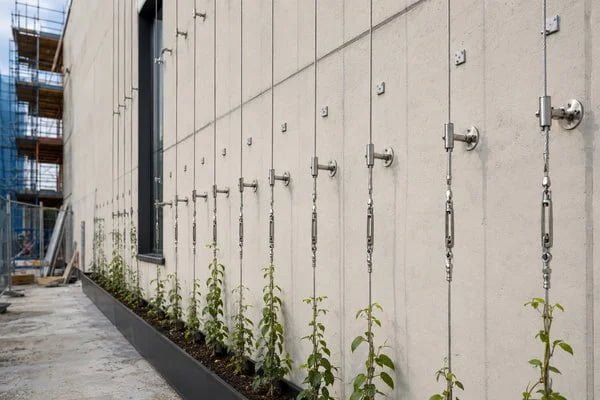
Here is the basic RFQ information I like to receive:
| Information | Why It Matters |
|---|---|
| Wall width and height | Estimates cable length and layout |
| Cable spacing | Affects quantity and plant support |
| Plant type | Helps understand likely load range |
| Substrate | Impacts anchor discussion |
| Indoor or outdoor use | Affects corrosion expectations |
| Maintenance method | Affects access and tensioning needs |
| Drawings or sketches | Reduces quotation errors |
| Target delivery date | Confirms production and shipping plan |
In one common inquiry scenario, a contractor asks: “Can you quote 5mm cable?” I usually need to reply with several questions. Is the wall 3 meters high or 20 meters high? Is the cable vertical, horizontal, or a grid? Will the plants climb directly, or will planters carry most of the load? Is the fixing base concrete, steel, brick, or another structure?
These questions are not delays. They protect the buyer.
A good RFQ can be short, but it should be specific:
- “The green wall area is about 18m wide × 9m high.”
- “We need vertical cables at 300mm spacing.”
- “The fixing base is reinforced concrete.”
- “Please include cable, end fittings, tensioners, and anchors.”
- “Please quote samples first, then bulk order lead time.”
- “Please list exclusions clearly.”
That kind of request helps suppliers prepare a useful offer instead of a random cable price.
For complementary guidance, see From Elevation Drawing to BOM: Preparing a Green Wall Hardware Enquiry.
How Can Buyers Compare Suppliers for Green Wall Cable Systems?
A low price can be attractive, especially when the project budget is tight. But if one quote includes only cable and another includes processed cable assemblies with fittings, the two prices are not comparable.
Buyers should compare suppliers by system completeness, clarification questions, material documentation, fitting compatibility, processing ability, packaging, lead time, and quotation transparency. The best supplier is not always the lowest-price supplier; it is the one that makes the project scope clear.
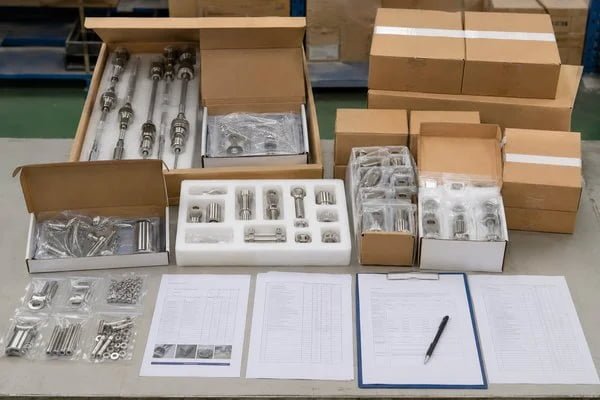
I like to compare quotations line by line:
| Checkpoint | Good Sign |
|---|---|
| Scope | Cable, fittings, tensioners, anchors listed |
| Questions | Supplier asks about wall and fixing conditions |
| Samples | Sample assemblies available |
| Documents | Material certificates offered for buyer review |
| Processing | Cutting, swaging, labeling confirmed |
| Packing | Project-based packing possible |
| Exclusions | Clearly stated |
| Lead time | Realistic, not vague |
Buyers should also ask for photos or samples of the actual fittings. Small parts matter. A cable system can look strong in a spreadsheet but become difficult to install if the turnbuckle, terminal, or anchor does not match the site condition.
I also suggest asking suppliers to separate costs:
- Cable cost
- Fitting cost
- Processing cost
- Packaging cost
- Sample cost
- Shipping estimate
This makes negotiation cleaner. It also reduces the chance that a supplier removes important parts just to hit a target price.
For complementary guidance, see Cable Trellis Hardware for Commercial Facades: What Architects and Buyers Need to Specify.
Frequently Asked Questions
What is the best cable diameter for a large green wall?
There is no universal best diameter. Cable size depends on wall height, spacing, plant load, layout, fixing method, and project requirements. Contractors should ask qualified professionals to confirm load-related decisions and ask suppliers to quote based on the approved design.
Should I buy cable and fittings separately?
You can, but it increases matching risk. For many projects, I prefer quoting a matched system because terminals, tensioners, anchors, and processed cable lengths must work together. Separate sourcing needs stronger technical checking.
What documents should I ask from a supplier?
You can ask for material certificates, product photos, sample confirmation, packing details, commercial invoice, packing list, and any available test or inspection documents. Buyers should verify certifications and confirm whether documents meet local project requirements.
Why does one supplier quote much cheaper than another?
The cheaper quote may exclude fittings, anchors, swaging, packaging, samples, or shipping. Always compare the scope first. A cable-only price should not be compared with a complete processed cable system quotation.
Landscape contractor RFQ: a practical decision record
Use this proposed worksheet to record a purchasing decision. It is an editorial checklist, not a completed project inspection or test result.
| Review step | What to record |
|---|---|
| Define the requirement | Separate the supply package from installation, planting and ongoing maintenance responsibilities. |
| Resolve the interface | Price the same cable layout, termination method, stand-off arrangement and spare-part scope across quotations. |
Worked example: Comparable cable quotations
Illustrative assumptions only — not an actual order, measured result, price offer or engineering approval.
Supplier A quotes 100 m of cable plus all scheduled fittings. Supplier B quotes 100 m of cable only. Both quote the same length, but only one includes the fitting scope.
Decision: Price the omitted fittings and installation responsibilities before comparing the totals.
Reference and applicability
Jakob climbing-support applications: Manufacturer examples distinguish cable and mesh climbing supports from modular planting-wall equipment. Project-specific technical or regulatory requirements should be checked by the responsible qualified professional.
Editorial update: 25 September 2026. This update checks article structure, topic scope and the references identified above. It does not claim independent engineering certification.
Related guides and product references
For the next stage of green wall systems selection, use these guides alongside the product catalogue. Catalogue references do not replace project-specific drawings or engineering approval.
- Planning a Stainless Steel Green Wall System? Start with These 6 Hardware Decisions
- Stainless Steel Green Wall Systems: Specification, Installation & Testing Guide
- Green wall systems product range
- Straight Multiport Cable Support — Silver appearance — catalogue reference
Conclusion
Cable systems for large green wall projects should be sourced as complete project packages, not generic stainless steel cables. I recommend preparing wall details, planting information, fixing conditions, and installation needs before asking for prices. Then compare suppliers by scope, questions, documents, processing ability, and lead time. If you are preparing an RFQ, send your drawings, photos, and component expectations first so the quotation can be practical and complete.

Comments (3)