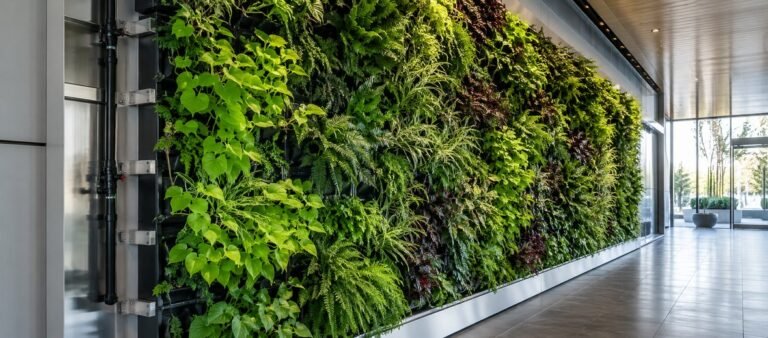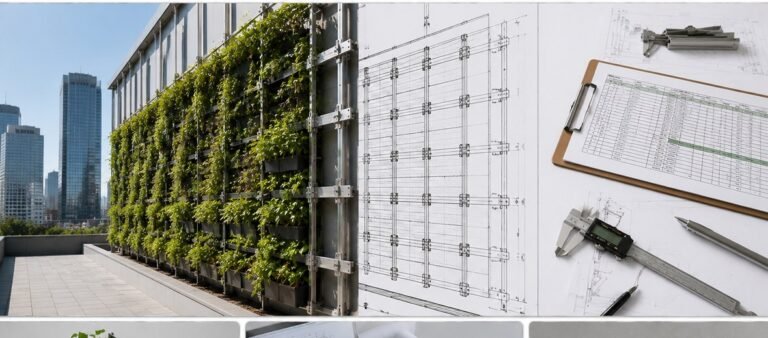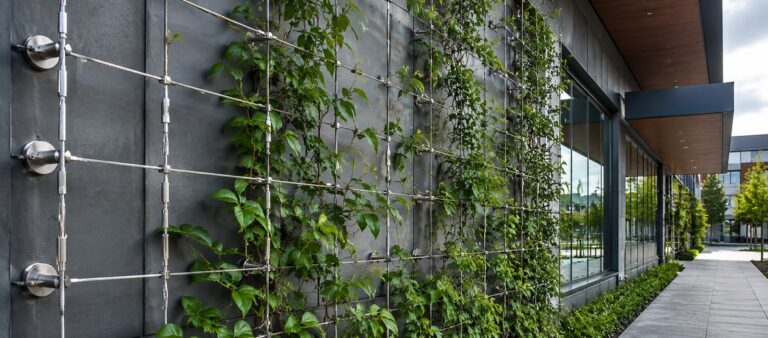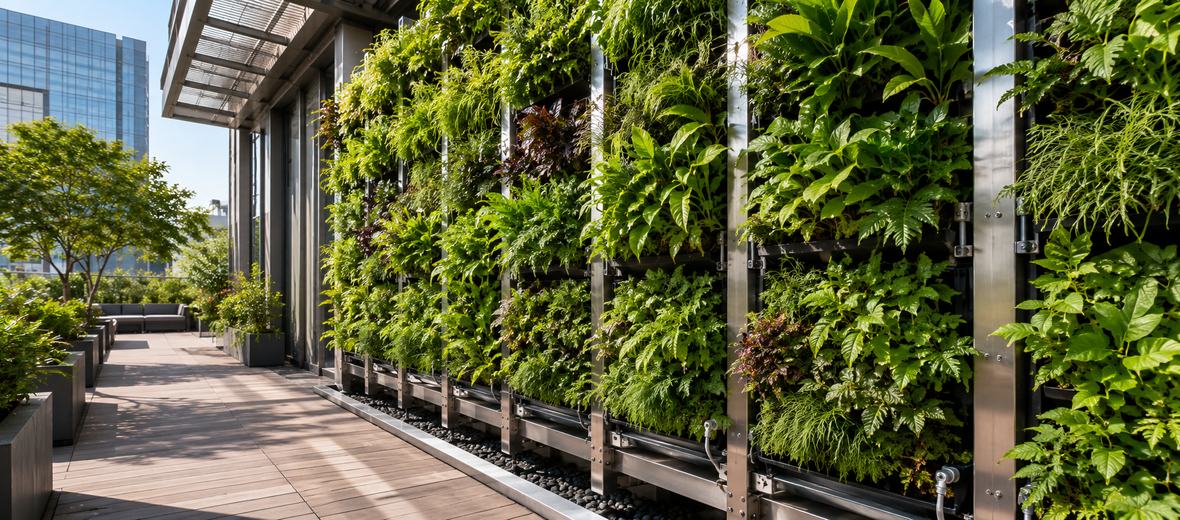
Stainless steel green wall systems can look simple on drawings, but the wrong specification can lead to corrosion stains, weak fixing, poor drainage, and rework. That risk gets worse when buyers focus only on steel grade or thickness. I usually start with the site conditions, wall substrate, water route, and maintenance plan first.
Stainless steel green wall systems should be specified as complete wall-mounted planting systems, not just metal frames. The right specification should confirm the environment, wall condition, fixing method, irrigation and drainage design, waterproofing interface, maintenance access, and acceptance checks. Steel grade matters, but it should follow the project conditions, not replace them.
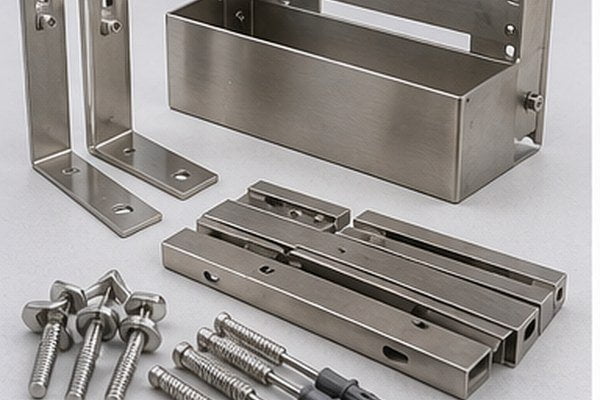
In project discussions, the first questions are usually not “How thick is the stainless steel?” They are more practical: Where is it installed? What wall holds it? Where does the water go? Who checks the fixing and waterproofing? These answers shape the whole system.
How Should Stainless Steel Green Wall Systems Be Specified?
A poor specification creates hidden risk. The wall may look fine during installation, but problems appear later through rust marks, loose modules, blocked drainage, or plant maintenance issues. A good stainless steel green wall specification starts with the project environment and working conditions.
The best specification defines the full system: stainless steel frame or modules, fixing method, wall substrate, irrigation route, drainage path, waterproofing interface, plant access, surface finish, and acceptance responsibility. Buyers should also ask engineers or local professionals to verify load, anchors, code compliance, and waterproofing details.
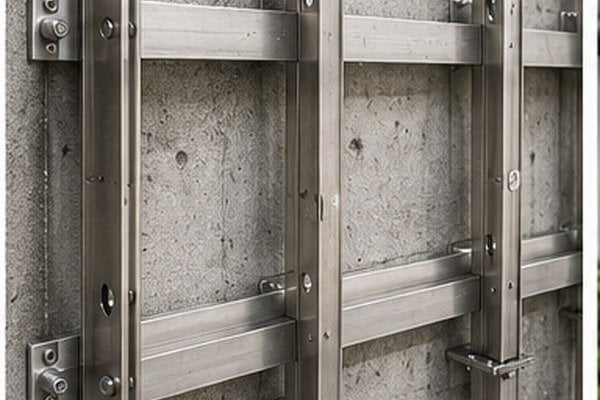
Start With Site Conditions
Stainless steel is durable, but it is not magic. I avoid saying it is “corrosion-proof” or “maintenance-free.” Its performance depends on:
- Indoor or outdoor exposure
- Coastal air or high humidity
- Pollution and chemical exposure
- Surface finish and cleaning method
- Drainage and water accumulation
- Maintenance frequency
For example, an indoor hotel lobby wall has different risks from an outdoor coastal retail façade. A brushed surface may look premium, but it can hold dirt if cleaning is poor. A mirror finish may show fingerprints and water stains. The right choice depends on the project.
| Specification Item | Why It Matters | Who Should Confirm |
|---|---|---|
| Environment | Affects corrosion and cleaning needs | Buyer, supplier, designer |
| Wall substrate | Controls fixing method | Contractor/engineer |
| Load condition | Affects frame and anchors | Structural professional |
| Irrigation | Affects plant survival | Green wall specialist |
| Drainage | Reduces water accumulation | Contractor/designer |
| Waterproofing | Protects the building | Waterproofing professional |
My practical advice is simple: do not approve the metal part alone. Approve the system interface.
What Installation Questions Should Come Before Stainless Steel Green Wall Systems Are Produced?
Installation problems often begin before production. If the supplier does not understand the wall type, site access, drainage route, or maintenance needs, the delivered system may still be “correct” on paper but difficult to install on site.
Before production, buyers should confirm the project environment, wall structure, drawings, fixing requirements, irrigation and drainage layout, local code requirements, and responsibility boundaries. Structural fixing, waterproofing, and safety-related decisions should be reviewed by qualified professionals based on the actual site.
Key Questions I Like to Ask
In real project communication, I would usually ask:
- Is the wall indoor or outdoor?
- Is the project in a coastal, humid, or polluted area?
- What is the wall substrate: concrete, brick, steel, drywall, or another system?
- Are there architectural or structural drawings?
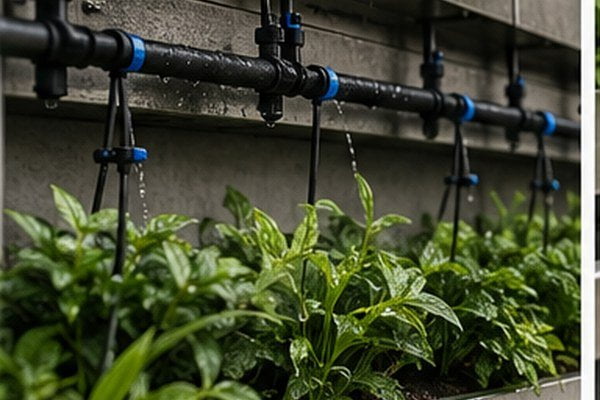
- Is irrigation manual or automatic?
- Where will excess water drain?
- Who is responsible for waterproofing?
- Who will maintain the plants after handover?
Each question controls a risk.
- Wall type controls anchor selection.
- Drainage controls water accumulation risk.
- Maintenance access controls long-term usability.
- Drawings control dimension accuracy and rework.
- Local codes control safety acceptance.
A stainless steel green wall is not only decoration. It connects metal fabrication, planting, water, wall fixing, and site maintenance. If one part is unclear, the whole project becomes harder to accept.
My rule: if water touches the system, drainage must be discussed before installation, not after the first leak or stain appears.
How Should Testing and Acceptance Be Done?
Testing should focus on practical project checks, not only material claims. Certificates and material documents are useful, but buyers still need site acceptance for fixing, alignment, drainage, irrigation coverage, visible deformation, and water accumulation risk.
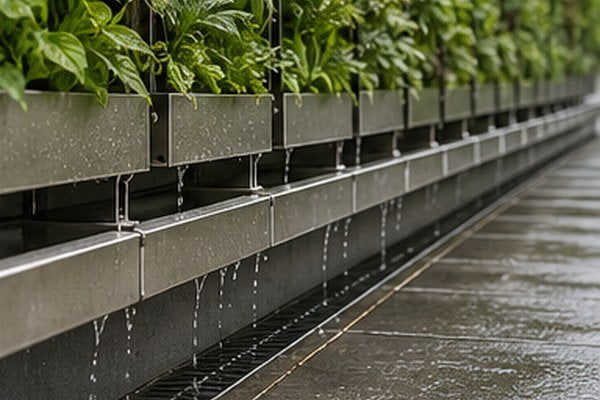
Acceptance for stainless steel green wall systems should include visual inspection, fixing stability checks, module alignment, surface condition review, irrigation coverage testing, drainage observation, and maintenance access confirmation. Any structural load, anchor performance, or waterproofing guarantee should be verified by qualified engineers or relevant specialists.
Practical Acceptance Checklist
I suggest using a simple checklist during handover:
Frame and fixing
- Are modules firmly fixed?
- Is there visible looseness or vibration?
- Are anchors installed according to approved drawings?
Levelness and alignment
- Are modules straight and consistent?
- Are gaps visually acceptable?
- Is there visible deformation?
Surface condition
- Are scratches, stains, or weld marks acceptable?
- Is the surface finish consistent?
- Are sharp edges removed?
Water management
- Does irrigation reach the intended planting areas?
- Does water drain smoothly?
- Is there any standing water behind or below the system?
Maintenance
- Can plants be replaced?
- Can irrigation parts be reached?
- Is cleaning access realistic?
This kind of testing is not glamorous, but it prevents many disputes. A buyer may have a stainless steel certificate, but that certificate does not prove the wall drains correctly. A nice sample also does not prove the installed modules are level.
For medium and large commercial projects, I recommend recording acceptance with photos, marked drawings, and written sign-off. This protects the buyer, supplier, designer, and contractor.
Frequently Asked Questions
Are stainless steel green wall systems maintenance-free?
No. Stainless steel is durable, but it still needs cleaning and inspection. Coastal air, humidity, pollution, fertilizer, and standing water can affect the surface. Regular maintenance helps reduce staining and corrosion risk.
Is steel grade the most important specification?
Steel grade is important, but it is not enough. The environment, fixing method, drainage, waterproofing, surface finish, and maintenance plan are just as important for real project performance.
Who should verify structural safety?
A qualified structural engineer or local professional should verify load, anchors, wall capacity, and code requirements. A supplier can support system information, but site-specific safety decisions need professional review.
What is the biggest installation risk?
Water management is one of the biggest risks. Poor drainage or uncontrolled irrigation can cause stains, leaks, plant failure, or wall damage. Drainage should be planned before production and checked during acceptance.
<!-- elim-blog-links-20260925 -->
Related guides and product references
For the next stage of green wall systems selection, use these guides alongside the product catalogue. Catalogue references do not replace project-specific drawings or engineering approval.
- What Comes in a Professional Green Wall Hardware Kit—and What Is Often Missing?
- From Elevation Drawing to BOM: Preparing a Green Wall Hardware Enquiry
- Cable Trellis Hardware for Commercial Facades: What Architects and Buyers Need to Specify
- How Landscape Contractors Source Cable Systems for Large Green Wall Projects
- Planning a Stainless Steel Green Wall System? Start with These 6 Hardware Decisions
- Green wall systems product range
- Straight Multiport Cable Support — Silver appearance — catalogue reference
<!-- /elim-blog-links-20260925 -->
Conclusion
Stainless steel green wall systems work best when buyers treat them as complete project systems, not just decorative metal products. Start with the environment, wall substrate, load conditions, irrigation, drainage, waterproofing, and maintenance access. Then select the suitable material and finish. If you are preparing a commercial green wall project, send drawings, site photos, and basic project requirements before production so the system can be reviewed more clearly.